ADU contractor Kirkland is often the first thing homeowners search for when they start thinking about adding space, creating rental income, or increasing property value.
I remember standing in a small backyard in Kirkland with a homeowner who thought her lot was too tight to build anything meaningful.
Six months later, that same yard had a modern detached unit that now houses a long-term tenant.
That single decision changed her monthly cash flow and increased her home’s resale appeal.
An accessory dwelling unit is not just an extra structure.
It is usable square footage that works for you.
Some links in this post are affiliate links, which means I receive a commission if you make a purchase.
It can house a family, generate income, or create flexibility for the future.
In the early stages, many people feel overwhelmed by zoning rules and design decisions.
That is where guidance makes all the difference.
You can explore your options and understand the process by speaking with an experienced ADU contractor Kirkland before committing to plans.
Why homeowners are investing in ADUs
Housing costs continue to climb, and families are looking inward at the space they already own.
Backyard cottages, garage conversions, and detached units are becoming practical solutions.
I have personally seen families build small suites for aging parents who wanted independence but still needed to stay close.
Instead of paying for assisted living, they created a private, safe space steps away from the main home.
Others build ADUs strictly for income.
One couple I spoke with rents their unit to a tech professional working nearby.
The rent covers a large portion of their mortgage.
That financial relief gives them breathing room.
In a strong market like Kirkland, extra livable square footage almost always attracts attention from future buyers.
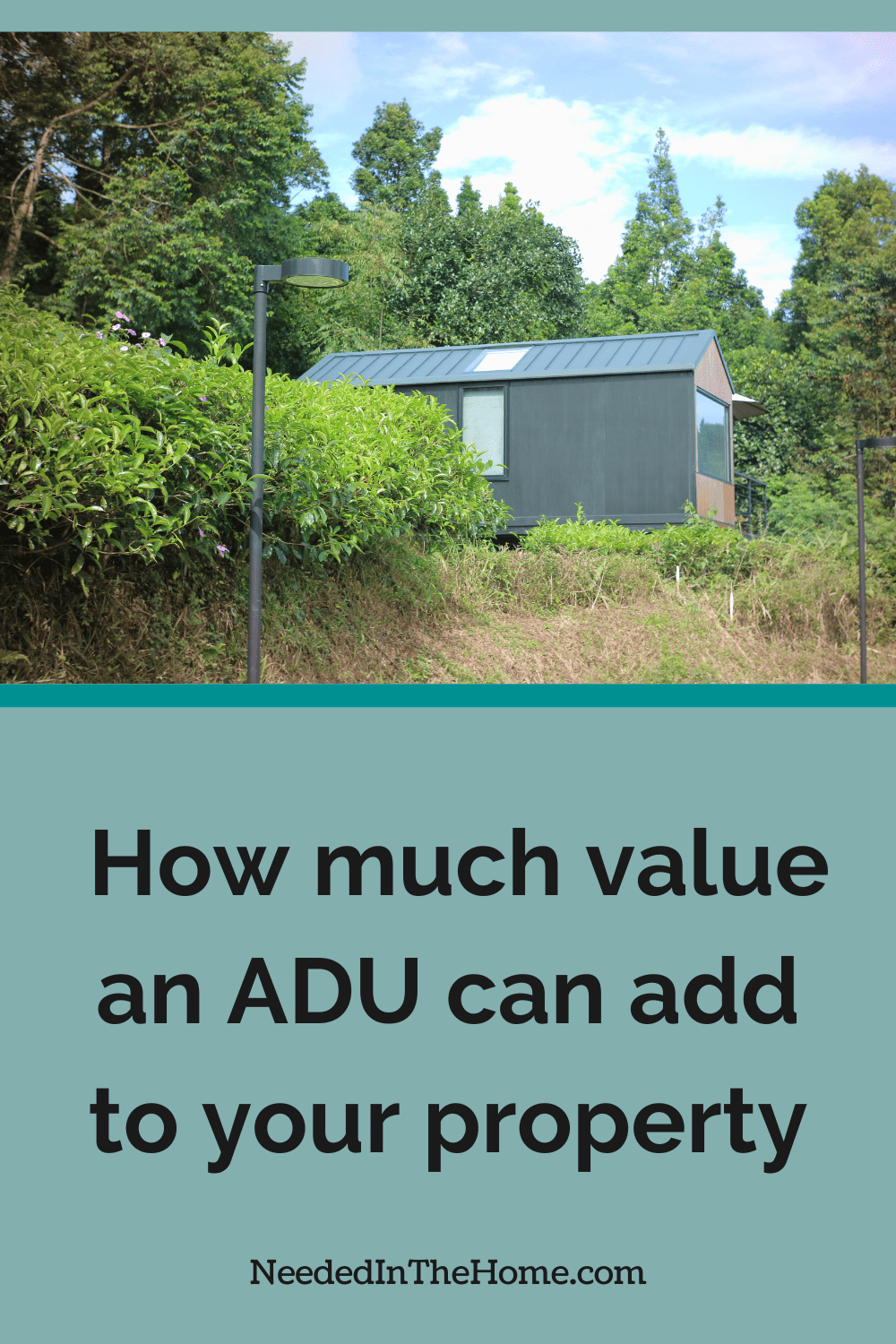
How much value can an ADU add?
Property value increases depend on location, build quality, and functionality.
In many cases, a well-designed accessory unit can significantly raise resale value.
Buyers look at income potential as part of the equation.
When a property offers two livable spaces, it stands out.
A friend added a one-bedroom detached unit behind his house.
He invested carefully in good materials and a smart layout.
Within two years, comparable sales showed his home value had climbed well beyond his construction cost.
That is not rare in high-demand neighborhoods.
What drives value
Quality craftsmanship matters.
Efficient floor plans matter.
Energy-efficient windows and insulation matter.
Privacy between the main home and the unit matters.
When those elements align, an ADU becomes more than extra space.
It becomes a financial asset.
Rental income potential
Rental demand in Kirkland remains strong.
Smaller units appeal to singles, couples, and professionals who want to stay close to work.
Monthly rent for a well-designed ADU can be substantial.
That steady income can offset property taxes, mortgage payments, or renovation loans.
I once toured a backyard cottage that was under 800 square feet but felt surprisingly spacious.
The owner told me the rent alone covered nearly half of her monthly housing costs.
That kind of support adds long-term stability.
Rental strategy considerations
Long-term rentals provide predictable income.
Short-term rentals can generate higher returns but require more management.
Understanding local regulations is critical before listing the space.
Planning ahead avoids costly adjustments later.
Smart design decisions
Not every ADU maximizes its potential.
Design choices directly affect comfort and value.
I have seen small units feel cramped because too many walls were added.
Open layouts often work better.
Natural light changes everything.
Large windows and sliding doors make compact spaces feel bigger.
Built-in storage keeps clutter under control.
Separate entrances maintain privacy.
Features that boost appeal
Modern kitchens with efficient appliances.
Durable flooring that handles wear and tear.
Good sound insulation between structures.
Outdoor seating areas that extend living space.
These details make a noticeable difference.
Permits and local regulations
Permits are often the most intimidating part of building an ADU.
Each property has setback rules, lot coverage limits, and height restrictions.
I have seen projects delayed because homeowners skipped early research.
Understanding city guidelines before drafting plans saves time.
Utility connections also need planning.
Water, sewer, and electrical access must meet code.
Working through these details early keeps the build on track.
Cost expectations and budgeting
Costs vary depending on size, finishes, and site preparation.
Detached units typically require more groundwork than garage conversions.
Site grading, foundation work, and utility extensions all add up.
From what I have seen, budgeting with a cushion prevents stress.
Unexpected costs can arise during excavation or inspection phases.
Planning for those possibilities keeps the project steady.
Typical budget categories
Design and architectural planning.
Permit and inspection fees.
Foundation and framing.
Electrical and plumbing installation.
Interior finishes and fixtures.
Being realistic about expenses prevents mid-project surprises.
Common mistakes to avoid
Underestimating total project costs is common.
Choosing the lowest bid without evaluating experience can backfire.
Ignoring a long-term rental strategy is another oversight.
I have seen homeowners build units that looked beautiful but lacked adequate storage or parking.
That limited rental appeal.
Planning for function, not just aesthetics, creates better results.
Long-term flexibility
An ADU is not just about immediate income.
It creates options for the future.
It can become a guest house, a home office, or a downsizing solution.
As life changes, the space adapts.
I spoke with a homeowner who initially rented her ADU for five years.
Later, she moved into it herself and rented out the main house for higher income.
That flexibility would not have been possible without the additional structure.
Is building an ADU worth it
For many homeowners, the answer is yes.
An accessory dwelling unit can increase property value, generate consistent income, and provide housing flexibility.
It transforms unused yard space into something productive.
In a competitive housing market, that advantage matters.
The key is thoughtful planning and understanding local requirements before building.
When done correctly, an ADU becomes one of the most practical investments you can make in your property.
This is a contributed post.
More From NeededInTheHome
Product Reviews
Get Our Books
Etsy Shop
TPT Store
eBay Store
Linktree
My Faith Testimony
Subscribe so you never miss a post.
If you find my tips useful, feel free to buy me a coffee. Thank you in advance!
Want to remember this? Pin it to your favorite Pinterest Board!
Join the newsletter
Subscribe to receive our latest articles and promotional content by email from NeededInTheHome
Leave a Reply