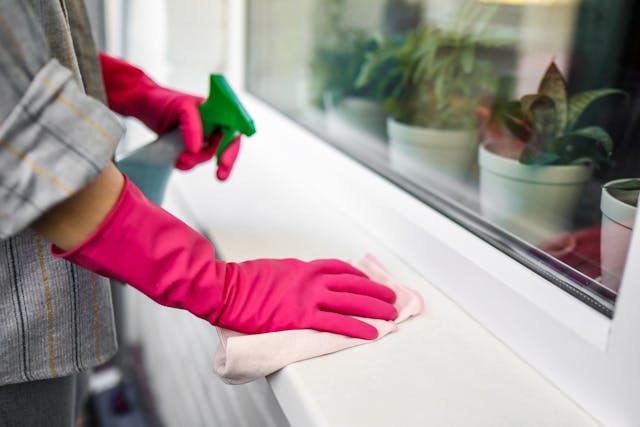
A good spring clean should be an opportunity to refresh your home, to let in the natural light without fear of it looking dirty and dingy, and to mark the bright start of the year in earnest. However, it can unearth or involve some potential health risks that you should be mindful of, as well. Below, we’re going to look at some of them and what you can do to mitigate them.
Some links in this post are affiliate links, which means I receive a commission if you make a purchase.
Signs Of Pests
Now is the perfect time ot keep an eye out for any unwanted pests that might have been settling in your home during the colder months. Keep an eye out for droppings, gnaw marks, shredded materials, as well as unusual smells, especially in your cupboards, your loft, or behind any of your appliances. If you see small holes in your food packaging or walls with no explanation, then it’s likely rodents or insects. When you spot these, call a pest control team to tackle the issue at its source and hopefully prevent it from becoming a full infestation down the line.
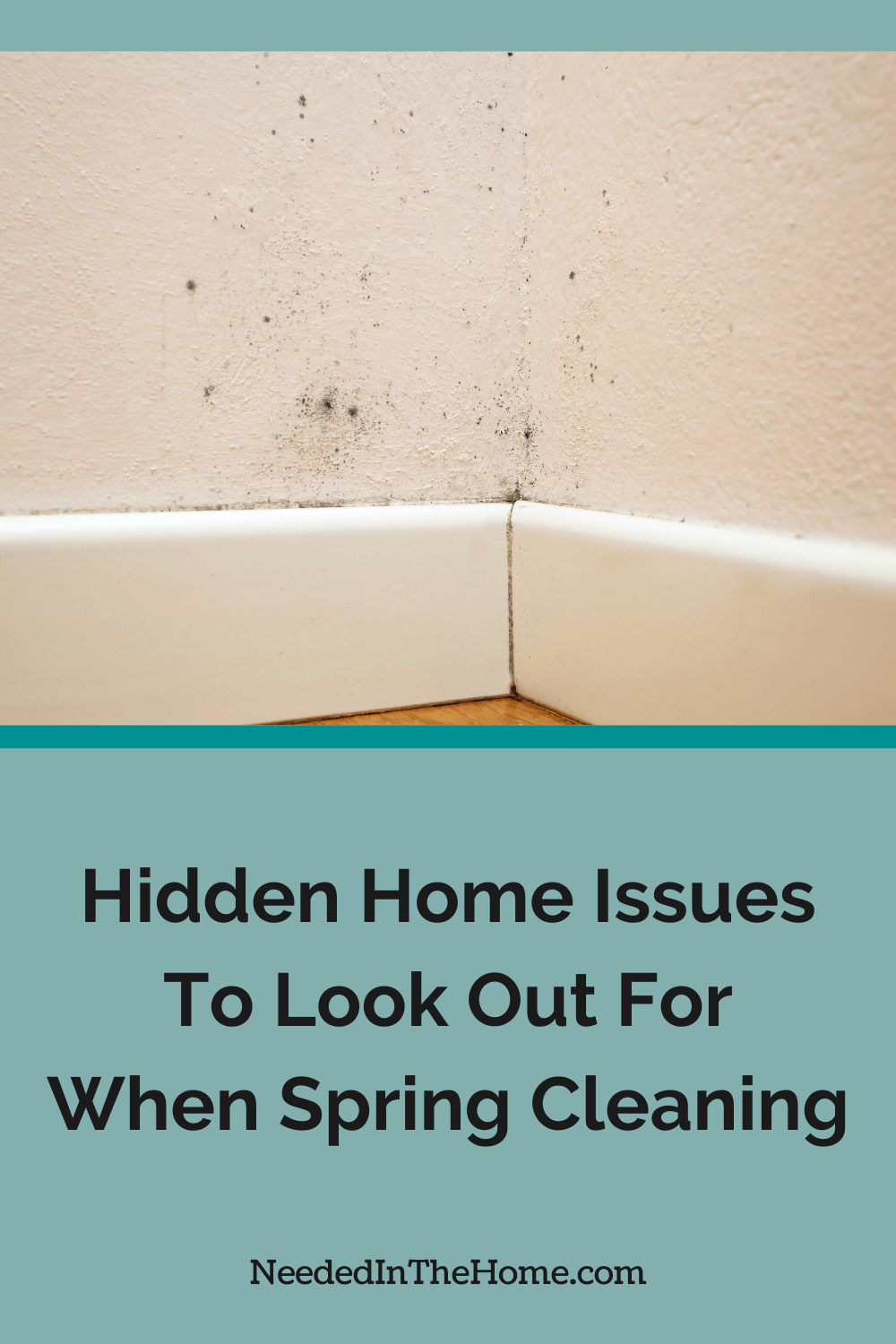
Mold Growth
You might have kept the windows closed and the curtains down over the colder months to keep as much of your heat in as possible. However, this can lead to areas being poorly ventilated as a result, which can allow damp to build up and, eventually, mold. Keep an eye out for black, green, or white patches and musty odors, and if you spot any signs of an issue, consider some mold testing to find the extent of the issue and the best way to deal with it going forward. You might be able to simply clean it away from small areas where it’s just a surface issue, but widespread mold might require professional removal and replacement of the affected materials.
Dryer Vent Buildup
Your HVAC setup is likely to need a little extra care, especially your dryer vent. Lint buildup in these can become a serious fire hazard. It can accumulate in the vent and exhaust duct, restricting the airflow and causing your dryer to overheat. If your dryer feels unusually hot when using it or clothes take longer to dry, then it’s a sign of buildup, and you should inspect and clean the lint trap thoroughly, while also checking the external vent for any blockages.
Hazardous Household Chemicals
We can amass quite a collection of cleaning products, paints, and other chemicals stored around the home over time. These can degrade and expire, which, in some cases, might simply mean that they’re no longer effective, such as with bleach. However, some can become potentially dangerous, even causing fumes if you attempt ot use them. Your best bet is to check the labels for expiration dates on all chemicals around the home and dispose of old or unused ones in keeping with your local recycling and waste guidelines. For the rest, just make sure they’re properly stored out of the heat, sunlight, and reach of kids and pets.
A little care and some close attention to your environment as you clean can ensure that you’re left with a fresh, beautiful home.
This is a contributed post.
Related
- Toy Organization Plan
- Basic Home Cleaning and Decluttering Action Plan
- Homemaker Task Cards
- Survival Overwhelmed To Do List
- Family Laundry Method
- Seasonal Clothing Tracker, Clothes To Buy List, Kids Shirts and Pants Inventory List
- Printable Clothing Size Dividers – Closet Organization
More From NeededInTheHome
Product Reviews
Get Our Books
Etsy Shop
TPT Store
eBay Store
Linktree
My Faith Testimony
Subscribe so you never miss a post.
If you find my tips useful, feel free to buy me a coffee. Thank you in advance!
Want to remember this? Pin it to your favorite Pinterest Board!
Join the newsletter
Subscribe to receive our latest articles and promotional content by email from NeededInTheHome
Leave a Reply