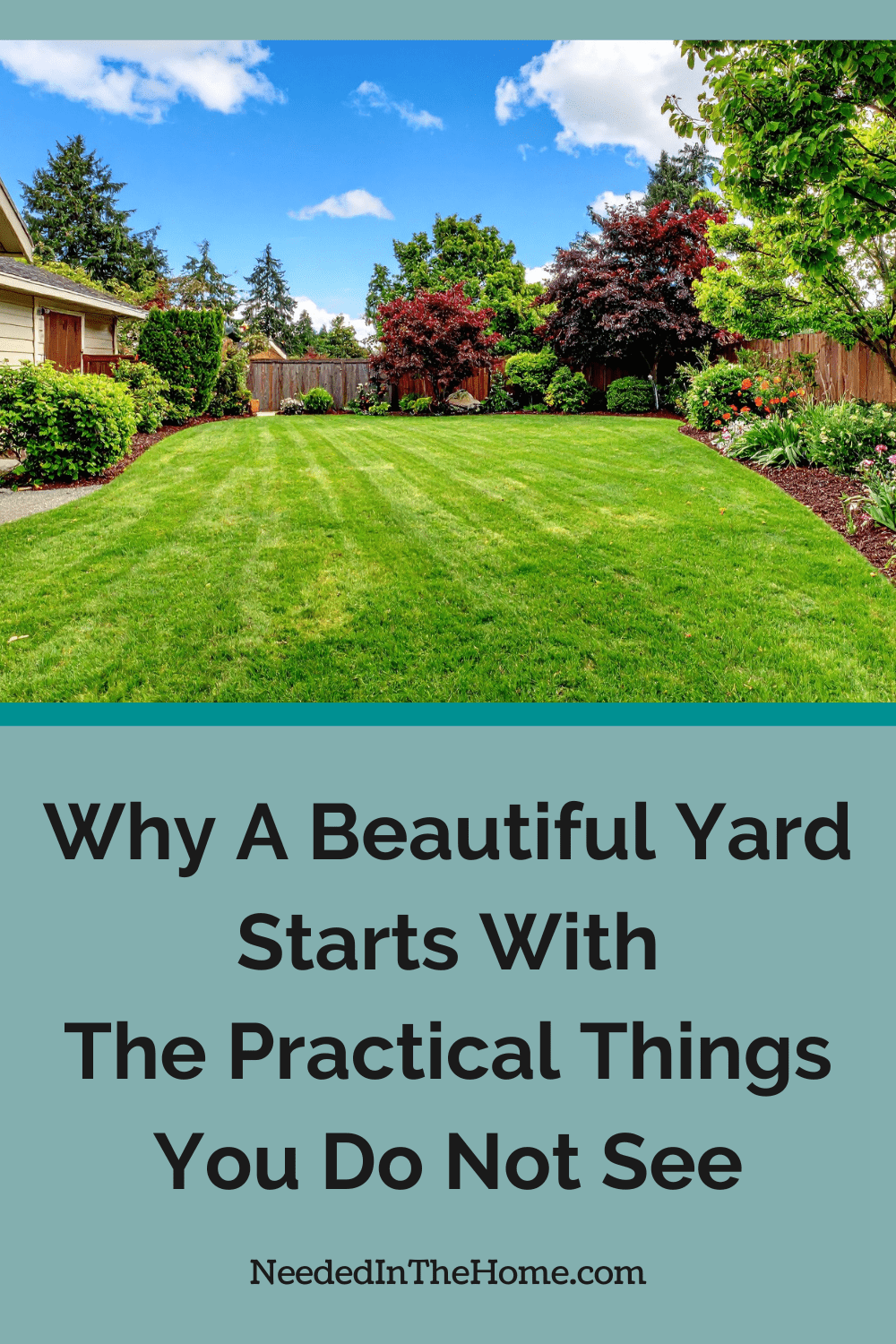
Your lawn was just cut; your patio was just cleaned; the potted plants at the entrance look neat. However, there seems to be something missing. Maybe some areas of your yard are always damp for three or four days. Or maybe your flowerbeds seem to dry up way too quickly. Or maybe when the sun sets, your whole garden disappears from view.
Some links in this post are affiliate links, which means I receive a commission if you make a purchase.

Via Unsplash
A beautiful yard isn’t just about picking flowers or placing the “right” pieces of furniture. Frequently, these unseen systems work under, behind, and around all that you can see.
The Water System Should Function As An Efficient System
Even with the right plants for your area and the proper health of your soil, an inefficient irrigation system can destroy all you have done. Some areas of excess water may prevent the roots from getting the oxygen they need, while in other areas of lack of water, even though you are trying to rescue them by watering them constantly, plants may appear as if they are suffering due to a lack of moisture.
This is probably the most important place to think about how you plan to develop your yard. In terms of aesthetics (how good does your yard look?) and maintenance (how much time do I spend making my yard look nice), this is the most critical aspect. Determine which direction the water runs when there is a storm. Find out where puddles collect in your yard. Identify the first beds to dry up in the summer. The more efficiently the water flows across your entire property, the better it is to maintain the overall look.
Drainage Will Protect The Areas Of Your Yard That Matter Most
While drainage may not be exciting, it certainly makes itself known when it doesn’t exist. Standing puddles next to pathways, damp areas against houses, washed-away mulch, and muddy lawns next to planting beds all contribute to making a yard look far worse than it truly is.
Effective drainage does more than protect gardens. Drainage helps keep areas used outdoors accessible after rainstorms. Drainage reduces wear-and-tear pressure on hardscape, plantings, and neighboring structures. Before spending money on new plants or decorative elements, ask yourself whether the underlying ground is providing effective service.
A practical guide to irrigation, drainage, and landscape lighting will allow you to view your entire yard as a single working system rather than a collection of individual weekend projects.
Lighting Makes A Difference In How The Yard Looks And Feels During Evening Hours
Even if a yard looks perfectly well-kept during the day, it can look like an empty lot once the sun goes down. That is why many homeowners are installing landscape lighting for their homes. While this type of lighting doesn’t have to be over-the-top or expensive in order to add value to your home, simple pathway lighting, warm lighting around outdoor furniture (patios, etc.), and subtle tree lighting can all greatly improve the usability and beauty of your yard after dark.
Begin By Focusing On The Unseen Systems First
You don’t need to tackle everything at once. Start by becoming aware of what your yard is currently trying to tell you. When the practical aspects function well, visually attractive elements will have sturdy foundations on which they can thrive. This is when your yard will begin feeling less like just another chore and more like a place that works with you.
This is a contributed post.
More From NeededInTheHome
Product Reviews
Get Our Books
Etsy Shop
TPT Store
eBay Store
Linktree
My Faith Testimony
Subscribe so you never miss a post.
If you find my tips useful, feel free to buy me a coffee. Thank you in advance!
Want to remember this? Pin it to your favorite Pinterest Board!
Join the newsletter
Subscribe to receive our latest articles and promotional content by email from NeededInTheHome
Leave a Reply