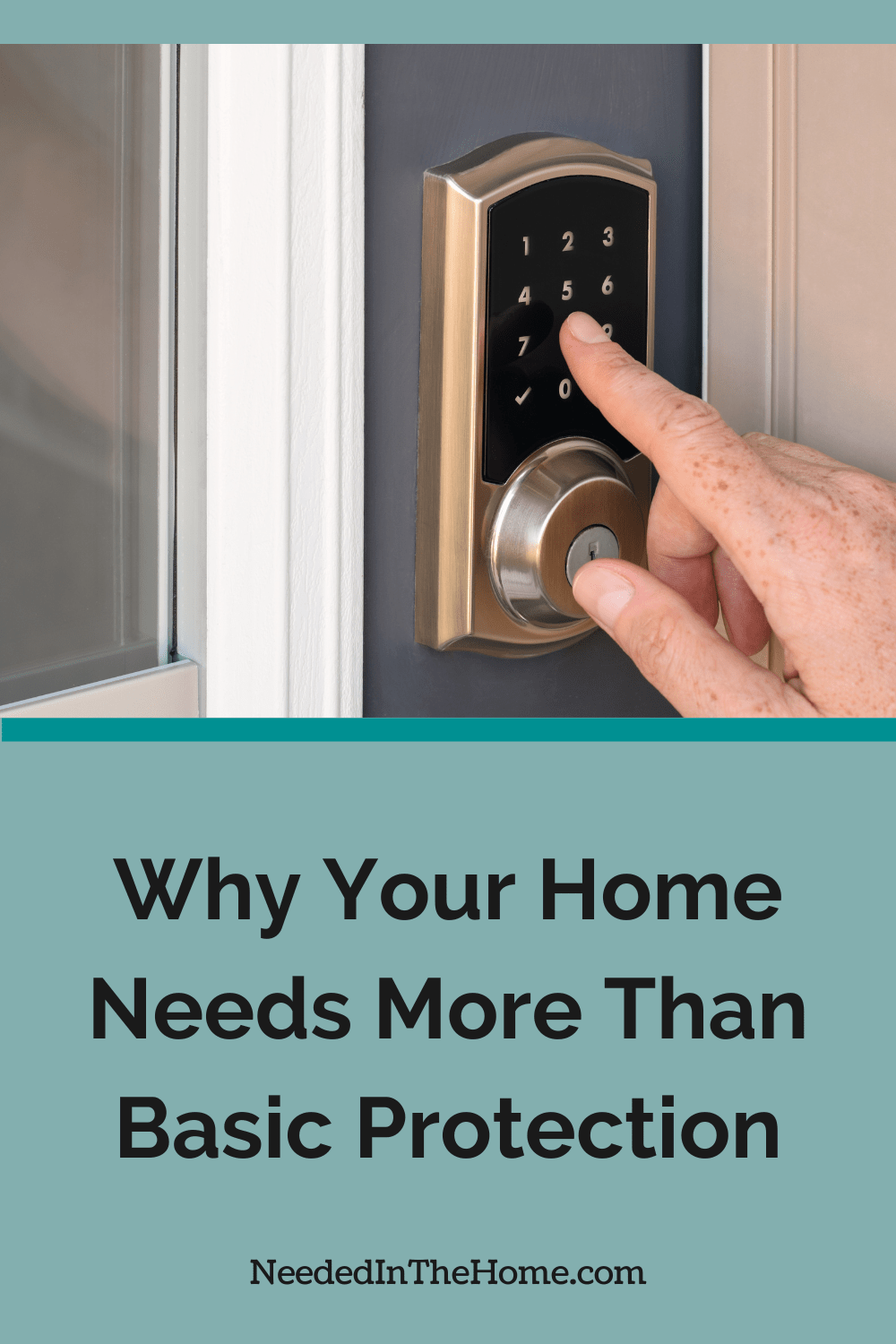
When you think about home security, what comes to mind first? For most of us, it’s the deadbolt on the front door and maybe a simple alarm system. While these are good starting points, relying on them alone can leave big gaps in your home’s protection.
Real security is built in layers, fixing weaknesses that go beyond a simple lock and key. The goal is to make your home less vulnerable from multiple angles rather than relying on a single line of defense.
Some links in this post are affiliate links, which means I receive a commission if you make a purchase.
Image Credit: Unsplash
The Limitations of Standard Locks
A standard deadbolt may feel secure, but on its own, it can leave important security gaps. Many common locks can be picked, bumped, or even forced open. They might stop casual thieves, but a determined intruder likely has the tools and skills to bypass them quickly. This has led many homeowners to explore newer security technologies.
The discussion over keyless entry vs. traditional locks is a perfect example of this change. Smart locks offer features like remote access, entry logs, and temporary guest codes, which can make things more convenient and give you more control. But they also introduce potential digital vulnerabilities.
Understanding the future of home security means comparing the mechanical flaws of old locks with the digital risks of new ones. In the end, no matter how advanced a lock is, it only protects one specific way in.
Stopping Intruders Effectively
The best security measures don’t just tell you there’s a problem; they help prevent a break-in. An intruder who can’t get inside in the first place is no longer a threat. This is why strengthening the weak points of your home, such as windows and glass doors, is so important. A locked door offers limited protection if a nearby window can be easily broken.
Instead of just finding out about a break-in, you can make it physically harder for it to happen. This is the main idea behind strengthening your home’s security with modern solutions. Products like security screens and films are designed to withstand significant force, turning your windows and patio doors from weak spots into strong barriers.
Beyond the Alarm System
Traditional alarm systems are basically reactive. They’re designed to sound a siren and notify a monitoring service when a door or window is opened. By that point, an intruder is already inside your home. The loud noise might scare them off, but it doesn’t guarantee it. Plus, how long it takes police to respond to a home alarm can vary widely, and false alarms can make people less careful or lead to fines.
Another consideration is that alarms primarily focus on detection rather than prevention. While they can provide valuable alerts, they are often most effective when paired with physical security measures that make unauthorized entry more difficult in the first place.
Modern security systems improve on this with smart features like video verification, which helps confirm a real threat, and instant mobile alerts. Still, they work on the same idea of telling you after someone has already entered. A truly complete plan includes things that stop entry altogether, so you don’t have to rely as much on a quick response from you or the police.
Integrated Security Design
The best way to protect your home is to think of it as one connected system, not just a bunch of separate gadgets. Each part should work with the others to create overlapping layers of defense.
Your security plan isn’t just a smart lock, an alarm, or strong windows; it’s how they all work together. When one layer is bypassed, another layer is there to provide additional protection. This approach reduces single points of failure and creates a more resilient security setup that can better adapt to various threats.
Imagine a system where an attempted forced entry through a security screen doesn’t just block the intruder but also turns on outdoor lights, starts all cameras recording, and sends a specific, confirmed alert to your phone. This is what integrated design can do. It combines physical deterrents with smart technology to create a network that is proactive, responsive, and much harder for intruders to overcome.
Thinking about security in layers, from the edge of your property to the actual structure of your home, lets you build a defense that is both strong and smart. It goes beyond basic protection and creates a truly secure environment.
By combining physical barriers, smart technology, and proactive planning, you can address vulnerabilities before they become problems and gain greater confidence in your home’s overall security.
This is a contributed post.
Join the newsletter
Subscribe to receive our latest articles and promotional content by email from NeededInTheHome
More From NeededInTheHome
Product Reviews
Get Our Books
Etsy Shop
TPT Store
eBay Store
Linktree
My Faith Testimony
Subscribe so you never miss a post.
If you find my tips useful, feel free to buy me a coffee. Thank you in advance!
Want to remember this? Pin it to your favorite Pinterest Board!
Join the newsletter
Subscribe to receive our latest articles and promotional content by email from NeededInTheHome
Leave a Reply