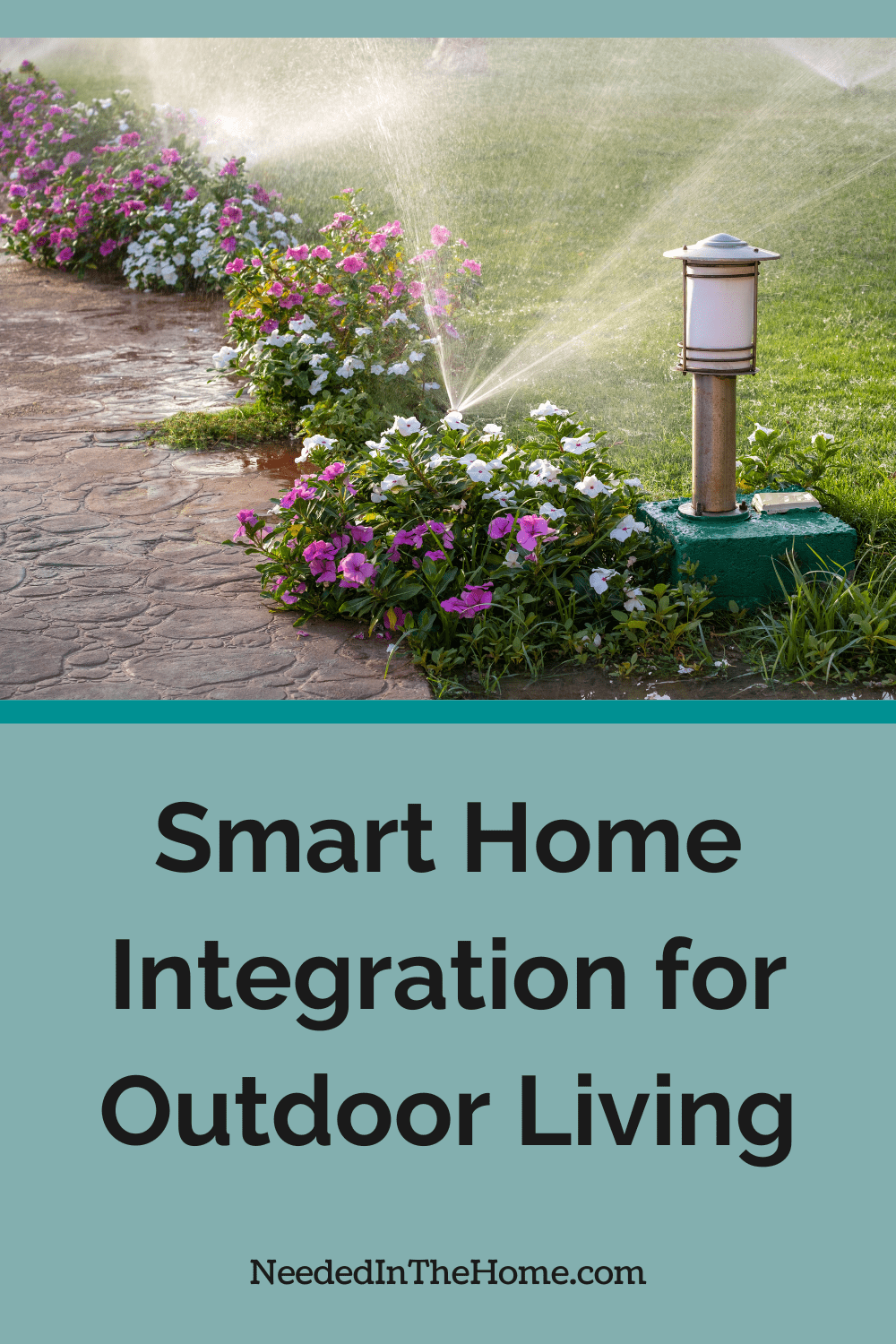
Extending your smart home tech into the backyard isn’t some far-off dream anymore; it’s a super practical way to make your outdoor living even better. From automated lights that set just the right mood to speakers that bring your favorite tunes to the patio, smart gadgets can make your yard more fun, safer, and work smarter. This guide will walk you through the key considerations when creating a connected, clever outdoor space.
Some links in this post are affiliate links, which means I receive a commission if you make a purchase.
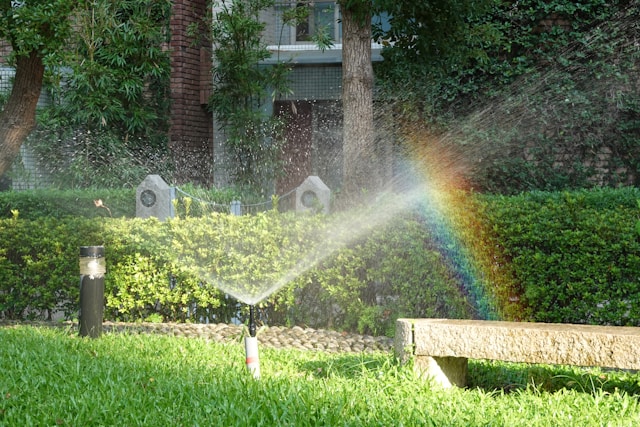
Image Credit: Unsplash
The Rise of Outdoor Smart Tech
The outdoor smart technology has come a long way from just simple solar path lights. Nowadays, you can get a ton of control and automation, all managed right from your phone or by talking to your voice assistant.
These cool innovations bring real perks, like saving energy by turning lights on only when you need them and conserving water with smart sprinkler control. Plus, they add a layer of convenience and security, letting you keep an eye on and manage your property from anywhere.
Designing a Connected Outdoor Space
To get a great smart outdoor area, you’ve got to start with a solid plan. Before you buy any shiny new gadgets, really think about how you want to use the space and where all that tech will fit in. A big part of this is planning for the basics, like power and Wi-Fi. You’ll need reliable Wi-Fi coverage throughout your yard, which might mean getting a mesh network or an outdoor access point. Just as important is the physical layout of your space. A
A detailed guide to hardscaping explained covers how features like patios, walkways, and retaining walls build the structure of your outdoor living area. When you design these features with technology in mind, they can neatly hide wires, support mounted speakers, and provide a stable spot for smart lighting fixtures. The goal is a seamless integration of technology that feels like it belongs.
Managing Data from Outdoor Sensors
Many outdoor smart devices are sensors that gather information. A smart weather station collects data on temperature, humidity, and rainfall, while soil sensors check moisture levels for your garden. The real magic happens when you use this data to automate things.
For example, you can set up a rule that stops your smart sprinklers from running if the weather station just detected rain. Or, you can program your landscape lights to switch on at sunset and dim as the night goes on. Learning how to integrate smart home tech effectively helps you create a responsive, efficient system where devices work together without you constantly having to mess with them.
Future-Proofing Your Outdoor Setup
Technology moves fast, so it’s smart to build an outdoor system that can change with the times. One of the best ways to do this is by picking products that support universal compatibility standards. This ensures devices from different brands can communicate with each other. When you’re running electrical wiring for lights or outlets, consider installing conduit even in spots where you don’t need it right now.
By carefully planning your layout, choosing the right devices, and keeping security in mind, you can create a smart outdoor space that makes your home more convenient and enjoyable for years to come, much like other smart home improvements can transform your living areas.
This is a contributed post.
More From NeededInTheHome
Product Reviews
Get Our Books
Etsy Shop
TPT Store
eBay Store
Linktree
My Faith Testimony
Subscribe so you never miss a post.
If you find my tips useful, feel free to buy me a coffee. Thank you in advance!
Want to remember this? Pin it to your favorite Pinterest Board!
Join the newsletter
Subscribe to receive our latest articles and promotional content by email from NeededInTheHome
Leave a Reply