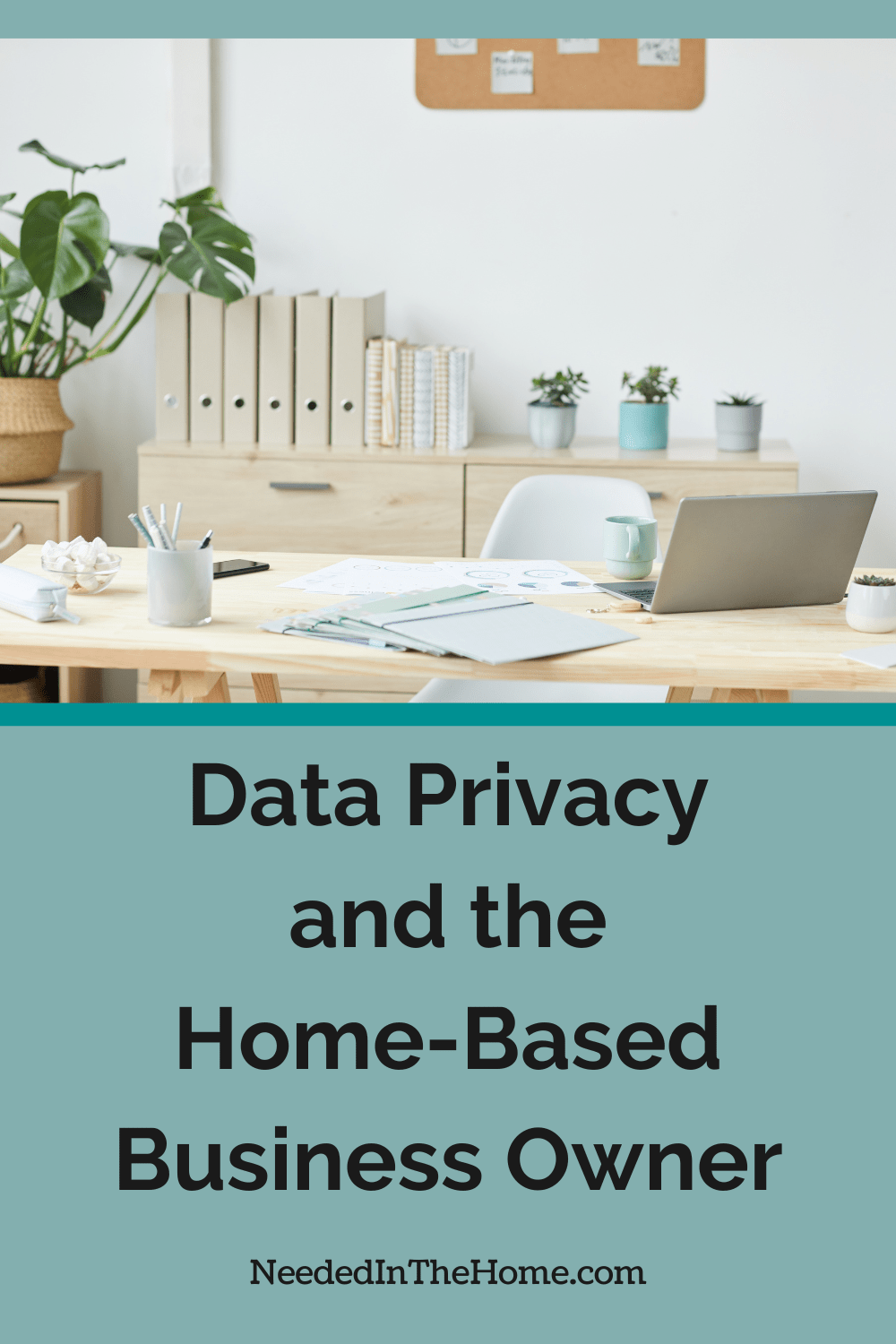
The convenience of a home-based business comes with a unique set of responsibilities, particularly regarding data privacy. When your office is also your living room or a spare bedroom, the lines between personal and professional security can easily blur. For entrepreneurs, protecting sensitive client information and business data is not just a best practice; it’s a fundamental part of building a trustworthy and sustainable brand from home.
Some links in this post are affiliate links, which means I receive a commission if you make a purchase.

Image Credit: Unsplash
Home Office Privacy Risks
Operating a business from home introduces privacy risks that don’t exist in a traditional office. Your home Wi-Fi network, often shared with family members and personal devices, can be a weak point if not properly secured. Physical documents containing client details or financial information might be left on a kitchen counter or a coffee table, accessible to family or visitors. Furthermore, the use of personal computers or phones for work tasks can mix sensitive business data with personal apps and files, creating potential vulnerabilities that necessitate home business protection. Understanding the effect of data and privacy rights is crucial, as even small businesses are expected to meet certain standards for protecting customer information.
Essential Data Protection Steps
Taking proactive steps to secure your digital environment is non-negotiable. Start with the basics of digital hygiene. Use strong, unique passwords for every account and consider a reputable password manager to keep them organized. Wherever possible, enable two-factor authentication (2FA) as an extra layer of security. This requires a second form of verification, like a code sent to your phone, before granting access.
Your home network is another critical area. Change the default administrator password on your router and give your Wi-Fi a strong, non-obvious password. If your router supports it, create a separate guest network for visitors and personal devices to keep them isolated from your primary work network. Following these data privacy essentials helps build a secure foundation for your business operations.
Creating a Professional Workspace
A dedicated workspace does more than just boost productivity; it creates a necessary physical boundary that enhances security. When your work is confined to a specific area, you’re less likely to leave sensitive documents or devices in common areas. This separation reinforces a professional mindset, reminding you that your home office must be treated with the same respect as a corporate one. An organized and well-designed space can also minimize visual clutter that might expose sensitive information during video calls. For those looking to create a truly functional and professional home office, an interior design studio like White Willow can help design a space that is not only beautiful but also tailored to the practical needs of a secure home-based business.
Separating Work and Home Life
Beyond a physical workspace, establishing clear digital and behavioral boundaries is key. If you share a computer with family members, create separate user accounts for work and personal use. This prevents others from accidentally accessing business files, emails or client data. Ideally, use a dedicated computer and phone for your business. If that isn’t feasible, consider using a separate business phone number through a VoIP service to keep client communications distinct from personal calls and texts. It’s also important to communicate boundaries with your family. Let them know that your office space and work devices are off-limits to ensure client confidentiality is always maintained.
Optimizing Your Home Office Setup
Small adjustments to your physical office setup can make a big difference in data security. Position your computer monitor so that it isn’t easily visible from a window or a high-traffic area in your home. For an added layer of protection, especially if you work in an open area, a privacy screen for your monitor can prevent wandering eyes from seeing your screen. Invest in a shredder to properly dispose of all paper documents containing any sensitive information, rather than just tossing them in the recycling bin. Finally, if you handle physical files, a simple locking file cabinet provides a secure and organized way to store them when you’re not actively working.
Treating your home office with the same security diligence as a traditional corporate environment is the best way to protect your business and earn your clients’ trust. These simple habits build a strong foundation for professional success.
This is a contributed post.
More From NeededInTheHome
Product Reviews
Get Our Books
Etsy Shop
TPT Store
eBay Store
Linktree
My Faith Testimony
Subscribe so you never miss a post.
If you find my tips useful, feel free to buy me a coffee. Thank you in advance!
Want to remember this? Pin it to your favorite Pinterest Board!
Join the newsletter
Subscribe to receive our latest articles and promotional content by email from NeededInTheHome
Leave a Reply