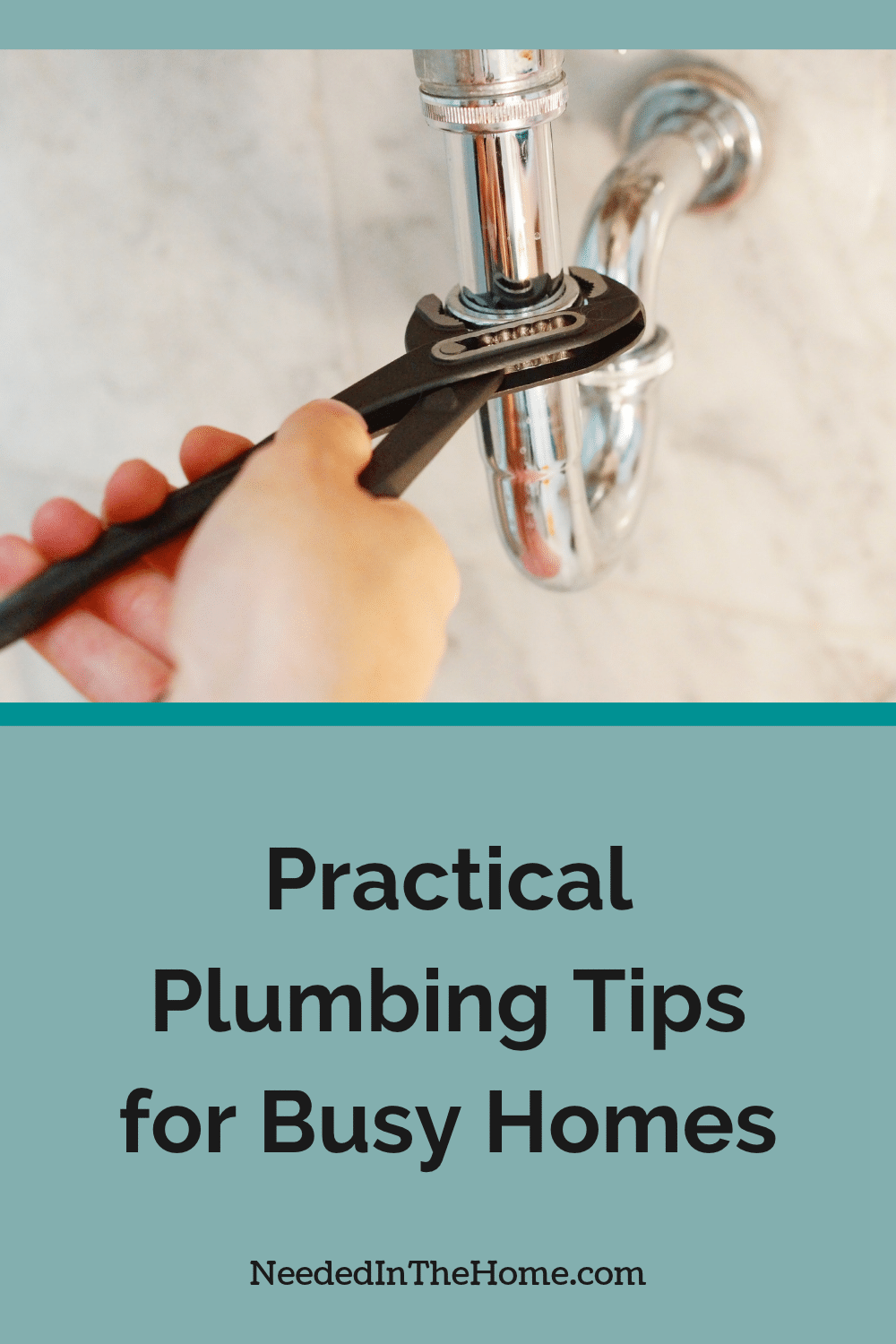
Small plumbing problems can quietly raise household costs and disrupt a busy routine. A dripping tap may cause household water waste, while slow drains and inconsistent hot water often signal that a system needs attention. Regular checks help you catch these issues before they damage cabinets, floors or walls. Just as importantly, knowing when to stop troubleshooting and call a professional can prevent a minor repair from becoming a much bigger job.
Some links in this post are affiliate links, which means I receive a commission if you make a purchase.
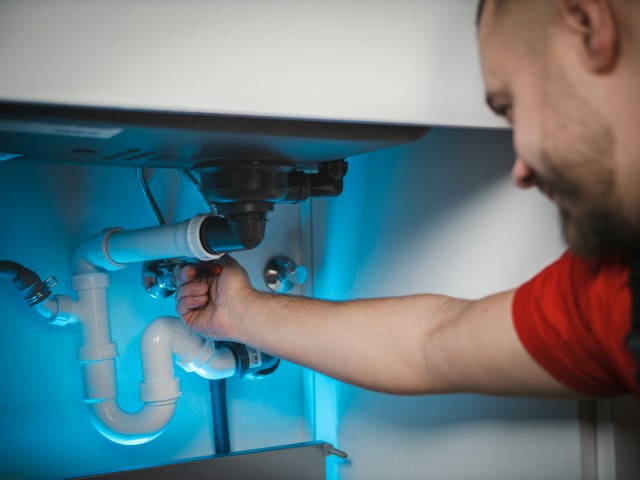
Image credit Unsplash
Deal With Dripping Taps Early
A tap that drips every few seconds may need a new washer, cartridge or seal. Start by checking whether the handle closes normally and look for moisture around the base. If you’re comfortable with basic maintenance, shut off the water supply before removing any fixture parts. Keep the plug in the drain so small components don’t disappear.
Recurring leaks deserve professional attention. Corrosion, high water pressure or worn internal fittings may be contributing to the problem. Watch for stains inside the cabinet and swelling along nearby trim, since these signs suggest water has traveled beyond the sink area.
Know When a Repair Needs Professional Help
Some plumbing tasks are suitable for a quick household fix, but hidden leaks and repeated blockages call for trained help. Homeowners and property managers in Grafton can contact licensed plumbers for emergency repairs, blocked drain clearing, hot water systems, roof plumbing or backflow prevention.
Arrange an inspection if a pipe keeps leaking after a fitting has been tightened, several drains slow down at once, or water pressure suddenly drops throughout the property. You should also avoid opening walls or digging around buried lines without knowing where services run. A professional can locate the cause, explain the available repair options and check that the completed work meets local requirements.
Protect Cabinets Floors and Walls
Check beneath sinks, around toilets and beside water-using appliances once a month. Run a dry paper towel along pipe joints to reveal moisture that may be difficult to see. Musty smells, peeling paint and darkened grout can also point to a slow leak.
Flexible supply hoses should sit without sharp bends, rust or bulges. Replace damaged hoses promptly and make sure household members know where the main water shutoff is located. Clear access matters during an emergency, so don’t bury the valve behind stored boxes. This guide to preventing water damage around the home offers more practical checks for vulnerable areas.
Make Hot Water More Reliable
If showers turn cold too quickly, note how long the hot water lasts and whether the problem affects every tap. A single lukewarm fixture may have a local mixing or flow issue. Whole-home problems can point to sediment buildup, a failing heating component or a system that no longer matches the household’s demand.
Before replacing equipment, review your family’s typical usage. Back-to-back showers, laundry and dishwashing create a different load from occasional use. The US Department of Energy’s water heating guidance explains system types and energy considerations. Ask for an assessment of capacity, installation requirements and expected running costs before approving an upgrade.
Keep Drains Moving Without Damaging Pipes
Use sink strainers to catch food scraps and clean hair from shower covers before water starts pooling. Grease and cooking oil should cool in a container before going into the trash, since pouring them down a drain can create a sticky buildup farther along the pipe.
For a mildly slow basin, remove and clean the stopper if it’s easy to access. Avoid repeatedly using harsh drain products, especially when you don’t know the pipe material or the cause of the blockage. Gurgling sounds, unpleasant odours, and wastewater appearing in another fixture suggest a problem deeper in the system. At that point, stop running water and arrange proper drain clearing.
Build Plumbing Checks Into Your Routine
Plumbing maintenance fits more easily into a busy home when it is integrated into other chores. Look below the kitchen sink while replacing cleaning supplies, inspect appliance hoses during laundry room cleaning, and listen for toilets that continue to run after flushing. Record recurring problems and take a photo of visible damage before arranging service.
Keep the main shutoff clear and label it if its purpose isn’t obvious. A few minutes spent checking taps, drains and exposed connections each month can reveal changes early. When the hot water becomes unreliable or the same leak returns, a dated note describing the symptoms will also help the professional diagnose the problem more efficiently.
This is a contributed post.
More From NeededInTheHome
Product Reviews
Get Our Books
Etsy Shop
TPT Store
eBay Store
Linktree
My Faith Testimony
Subscribe so you never miss a post.
If you find my tips useful, feel free to buy me a coffee. Thank you in advance!
Want to remember this? Pin it to your favorite Pinterest Board!
Join the newsletter
Subscribe to receive our latest articles and promotional content by email from NeededInTheHome
Leave a Reply