
If you live in a subtropical region and you want to make sure that you are taking care of your home properly, there’s a lot to think about. Living in a subtropical climate can be deeply rewarding. The warm air, long growing seasons, lush greenery, and vibrant wildlife create an environment that feels alive throughout the year. Yet a subtropical home also requires a particular kind of care. Heat, humidity, heavy rain, and rapid plant growth all shape how a house is maintained and how the surrounding space is designed. Keeping a subtropical home comfortable and resilient means learning to work with the climate rather than against it.
Some links in this post are affiliate links, which means I receive a commission if you make a purchase.
Designing For Airflow
In subtropical regions, airflow is one of the most important elements of home comfort. Humidity can make even moderate temperatures feel heavy, so homes benefit enormously from natural ventilation. Large windows placed opposite one another allow cross-breezes to pass through rooms. Louvered windows, wide verandas, and open-plan interiors are common architectural features in subtropical homes because they encourage air movement. Ceiling fans can also help circulate air and reduce the reliance on air conditioning.
Managing Heat And Sunlight
Subtropical sunlight can be intense, particularly during the middle of the day. Without protection, this heat quickly builds inside the home. Shading solutions are therefore essential. Deep roof overhangs, awnings, shutters, and pergolas can all reduce the amount of direct sunlight entering windows. Trees placed strategically around the property also provide natural shade that cools both the house and outdoor living areas. Light-coloured exterior surfaces can help reflect sunlight rather than absorb it, keeping walls and roofs cooler. Roof insulation is equally important, preventing the midday heat from radiating downward into living spaces.
The Role Of Subtropical Landscaping
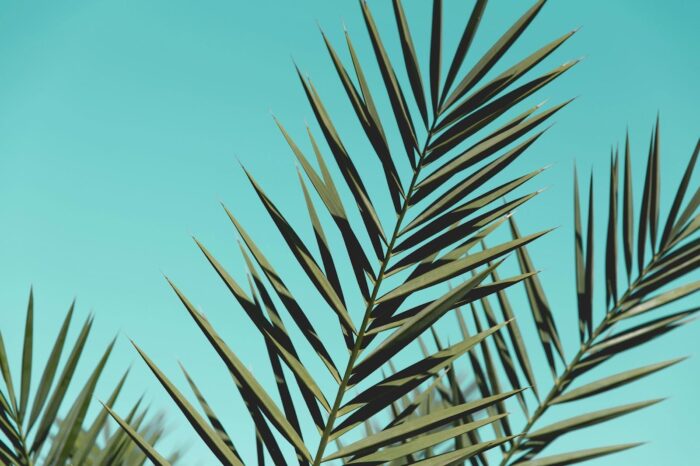
Gardens in subtropical climates can grow quickly and dramatically. With the right subtropical landscaping ideas, this growth becomes an asset rather than a challenge. Subtropical landscaping focuses on plants that thrive in warmth and humidity. Large-leafed tropical plants, dense shrubs, flowering trees, and layered planting styles create a lush and vibrant environment that reflects the climate naturally. Palm trees, ferns, hibiscus, and bamboo are popular choices because they grow well in humid conditions and provide a strong visual presence. These plants can also contribute practical benefits, such as providing shade, reducing wind exposure, and improving privacy.
Preventing Moisture Problems
Moisture management is one of the ongoing responsibilities of maintaining a subtropical home. Without proper ventilation and maintenance, humidity can lead to mold or mildew. Bathrooms, kitchens, and laundry rooms benefit from strong ventilation systems. Dehumidifiers can also help in particularly humid periods. Keeping furniture slightly away from walls improves airflow and prevents trapped moisture. Regular cleaning and monitoring ensure that any problems are addressed before they grow into larger issues.
This is a contributed post.
More From NeededInTheHome
Product Reviews
Get Our Books
Etsy Shop
TPT Store
eBay Store
Linktree
My Faith Testimony
Subscribe so you never miss a post.
If you find my tips useful, feel free to buy me a coffee. Thank you in advance!
Want to remember this? Pin it to your favorite Pinterest Board!
Join the newsletter
Subscribe to receive our latest articles and promotional content by email from NeededInTheHome
Leave a Reply