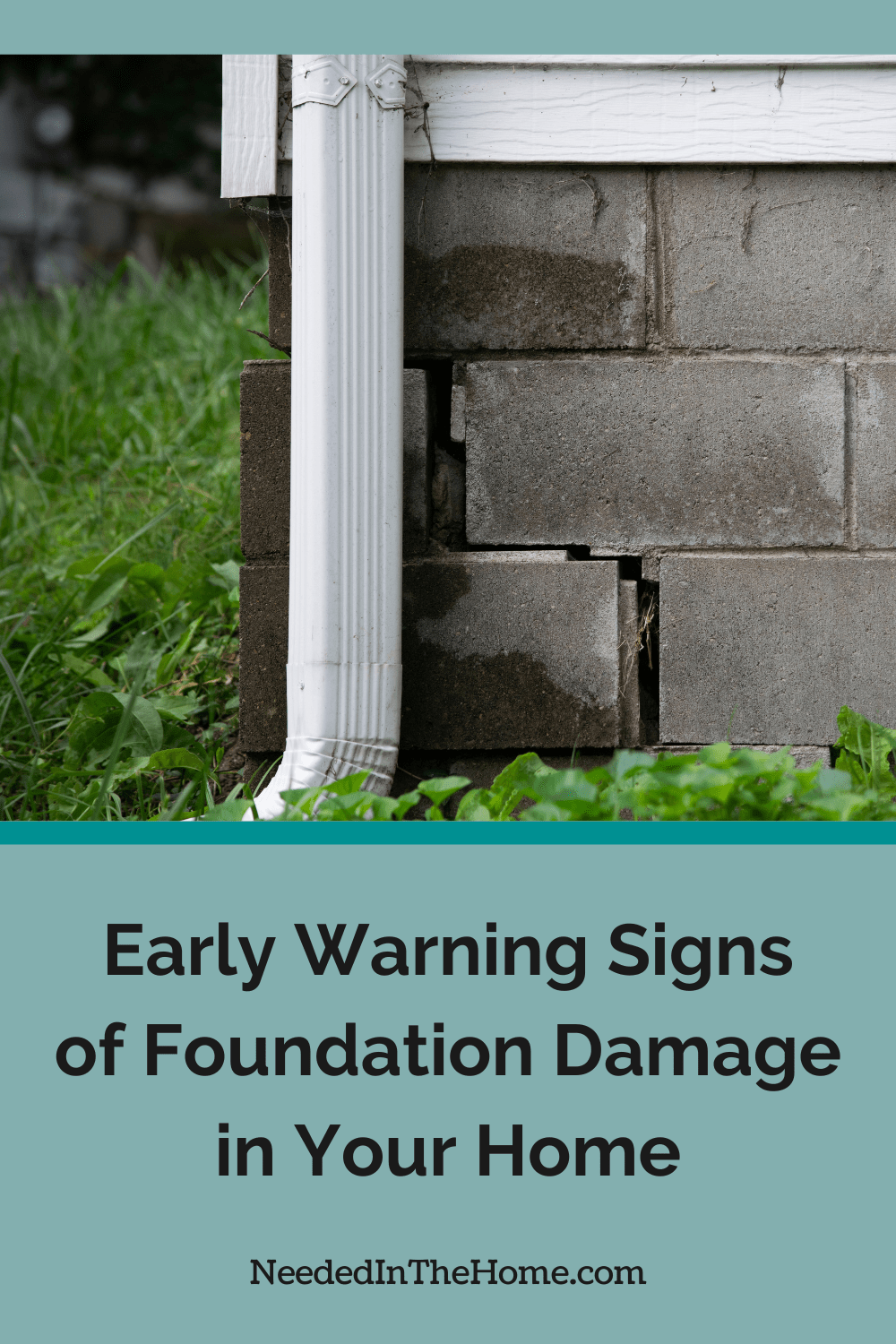
Foundation problems rarely appear out of nowhere. More often, the first signs are small enough to ignore. A crack appears in the basement wall. A door starts sticking. Water shows up after heavy rain. It is easy to blame these things on an old house or normal wear and tear.
But your foundation supports the entire weight of your home, so changes around it deserve some attention. Government of Canada guidance recommends checking foundations for cracks both inside and outside the home and monitoring them for changes.
Some links in this post are affiliate links, which means I receive a commission if you make a purchase.
Catching a problem early can also give you more options for dealing with it. Here are five warning signs worth watching for.
1. New or Growing Cracks
Not every foundation crack means your home has a serious structural problem. Small cracks can develop as concrete cures or as a house settles over time. What matters is the pattern, size, location, and whether the crack changes.
Pay closer attention to cracks that continue to grow, become wider, appear in several areas, or allow water to enter. Horizontal cracks in basement walls can also be more concerning because they may indicate pressure against the wall.
If you notice these changes, it’s worth calling a basement or foundation repair expert for professional evaluation. A basement foundation repair company can assess the crack and determine whether it points to a larger foundation issue. Getting it checked early can also help you understand whether the problem needs immediate repair or simply continued monitoring.
2. Doors and Windows Suddenly Stick
A door that sticks once in a while may have nothing to do with your foundation. Changes in humidity, swollen wood, loose hinges, and other ordinary issues can make doors or windows harder to operate.
The situation deserves more attention when several doors or windows suddenly become difficult to open, close, or latch properly. Foundation movement can slightly change the shape of the frames above it, creating gaps or causing them to bind.
Look at the timing, too. If sticking doors appear alongside cracks, uneven floors, or other changes around the house, the combination is more concerning than one sticky door on its own. These are among the signs commonly associated with foundation movement.
3. Water or Dampness in the Basement
Water problems are another warning sign homeowners should take seriously. Damp walls, puddles, musty smells, peeling paint, or water coming through a crack can all point to moisture getting where it should not.
Of course, not every basement leak means the foundation itself is damaged. Plumbing problems, poor drainage, and other sources can also bring water inside. That is why finding the source matters before deciding how to fix it.
The Government of Canada notes that cracks in a foundation can allow rain, snowmelt, and groundwater to enter the home. It also recommends checking for water intrusion around foundation walls and floors. This is an area where an experienced foundation professional can be useful. Guidance from foundation specialists, including Supreme Basement Solutions, also stresses identifying the source of water intrusion before choosing a repair approach. This can help homeowners avoid treating the visible water without addressing the underlying problem.
4. Floors That Feel Uneven or Sloped
Have you noticed that a floor no longer feels level? Maybe a piece of furniture seems to lean, or you can feel a slight slope when walking through a room.
Uneven floors can have several causes, so they do not automatically point to foundation damage. However, a new or worsening slope can indicate that part of the structure has shifted.
Pay attention to whether the change appears alongside other signs. A sloping floor combined with wall cracks, sticking doors, or gaps around windows gives you more reason to have the situation checked.
It is also worth checking areas that may be easy to overlook, such as the basement floor. Cracks, heaving, or noticeable changes can provide additional clues about what is happening below the home.
5. Gaps Around Walls, Ceilings, or Exterior Areas
Small gaps can develop in homes for many ordinary reasons, but new or expanding gaps deserve a closer look. Check areas where walls meet ceilings, around windows and doors, and along exterior brickwork.
You may also notice gaps between cabinets and walls, separation around trim, or cracks in exterior masonry. When several of these changes appear together, they may indicate movement within the structure.
The Royal Institution of Chartered Surveyors lists new or expanding cracks, sticking doors and windows, and new sloping floors among signs that can point to movement beneath a home. Such movement is known as subsidence.
Next Steps
Seeing one of these warning signs does not mean you need to panic. Some problems are cosmetic, while others may have a simple cause unrelated to the foundation.
The important thing is to avoid ignoring changes that are getting worse. Take photos of cracks and gaps, note when you first noticed them, and check whether they change after heavy rain or major weather events. If several warning signs appear together, consider arranging a professional assessment.
A foundation problem may start small, but knowing what to watch for gives you a better chance of addressing it before the damage becomes more difficult and expensive to manage.
This is a contributed post.
More From NeededInTheHome
Product Reviews
Get Our Books
Etsy Shop
TPT Store
eBay Store
Linktree
My Faith Testimony
Subscribe so you never miss a post.
If you find my tips useful, feel free to buy me a coffee. Thank you in advance!
Want to remember this? Pin it to your favorite Pinterest Board!
Join the newsletter
Subscribe to receive our latest articles and promotional content by email from NeededInTheHome
Leave a Reply