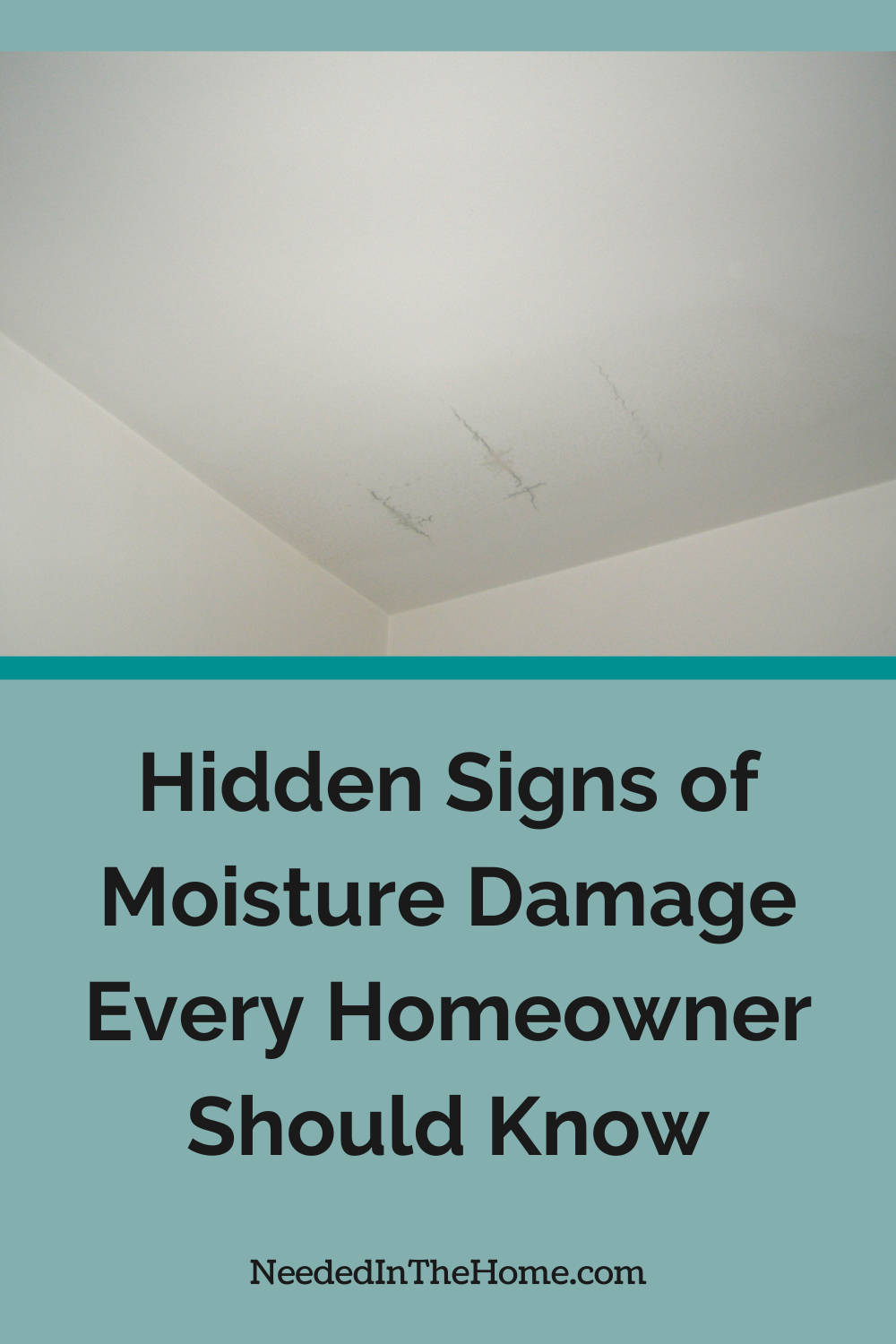
Water is essential for everyday life, but it can quickly become a homeowner’s biggest headache when it ends up where it shouldn’t. Sure, a big puddle or a dripping ceiling is hard to miss. But often, moisture damage starts with much quieter hints. If you ignore these subtle warnings, you could end up with big structural issues, unhealthy mold, and really expensive fixes down the road. Learning to spot these hidden water problems early on is one of the best ways to keep your home and your wallet safe.
Some links in this post are affiliate links, which means I receive a commission if you make a purchase.
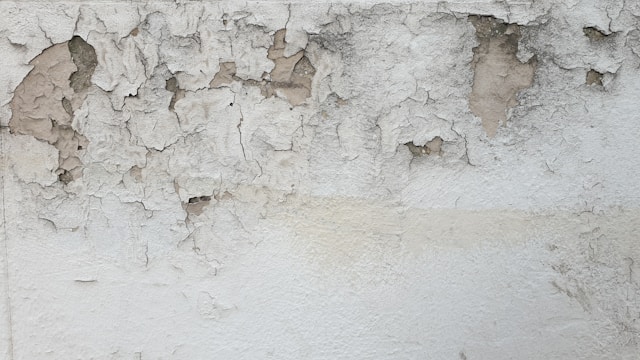
Image Credit: Unsplash
That Musty Smell You Can’t Pinpoint
One of the first and most common clues that you might have a hidden moisture problem is a constant musty smell. If you step into your basement or a particular room and catch a damp, earthy whiff that just won’t go away, that’s a definite red flag. This classic “dank” scent comes from mold and mildew as they grow and munch on things like drywall paper or wood in your home. You might only notice it when you first walk in or after a closet has been closed for a while. Don’t just try to cover it up with air fresheners. That smell is a clear sign that moisture is building up somewhere, and the growth it causes can contribute to the health effects of mold.
Subtle Clues on Walls and Ceilings
Think of your walls and ceilings as storytellers for hidden moisture issues. Keep an eye out for any changes in how they look, even if they seem small. You might see things like:
- Paint that’s bubbling, peeling, or cracking for no clear reason.
- Faint yellowish or brownish stains showing up on ceilings or higher up on walls.
- Wallpaper that’s starting to peel at the seams or looks bubbly.
In basements or on concrete walls, you might spot a white, chalky substance called efflorescence. This is basically mineral salts left behind when water seeps through concrete and then dries up. It’s a sure sign that groundwater is finding its way into your house. When moisture keeps returning despite your efforts, professional basement waterproofing can help seal vulnerable areas, create a barrier against water intrusion, and protect your home’s foundation from ongoing damage.
Warped, Buckling, or Soft Floors
Moisture doesn’t just mess with walls; it can really damage your floors, often from underneath. If you have hardwood, watch for boards that are curving up at the edges or pushing upwards. For vinyl or linoleum, you might notice it peeling up at the corners or feeling squishy when you walk on it. Carpet can hide problems for a bit, but you might see discolored spots, feel a constant dampness, or smell that musty odor we talked about earlier. All these are signs that moisture is trapped under your flooring, possibly from a leak in your slab or a damp crawl space.
Moisture problems beneath your floors can also affect the air quality inside your home. Damp materials create an environment where mold and mildew can thrive, even if you can’t see them. Over time, this hidden moisture may weaken flooring materials, damage the subfloor, and lead to unpleasant odors that spread throughout your living space. If you notice persistent dampness or your flooring continues to change despite cleaning or repairs, it’s worth investigating the source rather than simply replacing the surface material.
Condensation Where It Shouldn’t Be
A little fog on the windows after a hot shower is totally normal. But if your windows are constantly wet with condensation (what people call “weeping windows”), or if you see it on pipes or even walls, that points to a bigger issue: too much humidity inside your home. When warm, moist air hits a cool surface, the water vapor turns into liquid. Constant condensation means there’s just too much moisture in your indoor air. This extra humidity not only makes a perfect home for mold but also affects your home’s energy efficiency because your air conditioning has to work way harder to cool down moist air.
Catching moisture damage early really comes down to noticing the little changes around your home. A quick walk-through every few weeks to check these common trouble spots can help you find a problem before it turns into a really expensive mess. Pay attention to unusual smells, changes in your walls or flooring, and areas where moisture seems to return again and again. Addressing these warning signs promptly can help preserve your home’s structure, improve indoor air quality, and save you from much more extensive repairs in the future.
This is a contributed post.
More From NeededInTheHome
Product Reviews
Get Our Books
Etsy Shop
TPT Store
eBay Store
Linktree
My Faith Testimony
Subscribe so you never miss a post.
If you find my tips useful, feel free to buy me a coffee. Thank you in advance!
Want to remember this? Pin it to your favorite Pinterest Board!
Join the newsletter
Subscribe to receive our latest articles and promotional content by email from NeededInTheHome
Leave a Reply