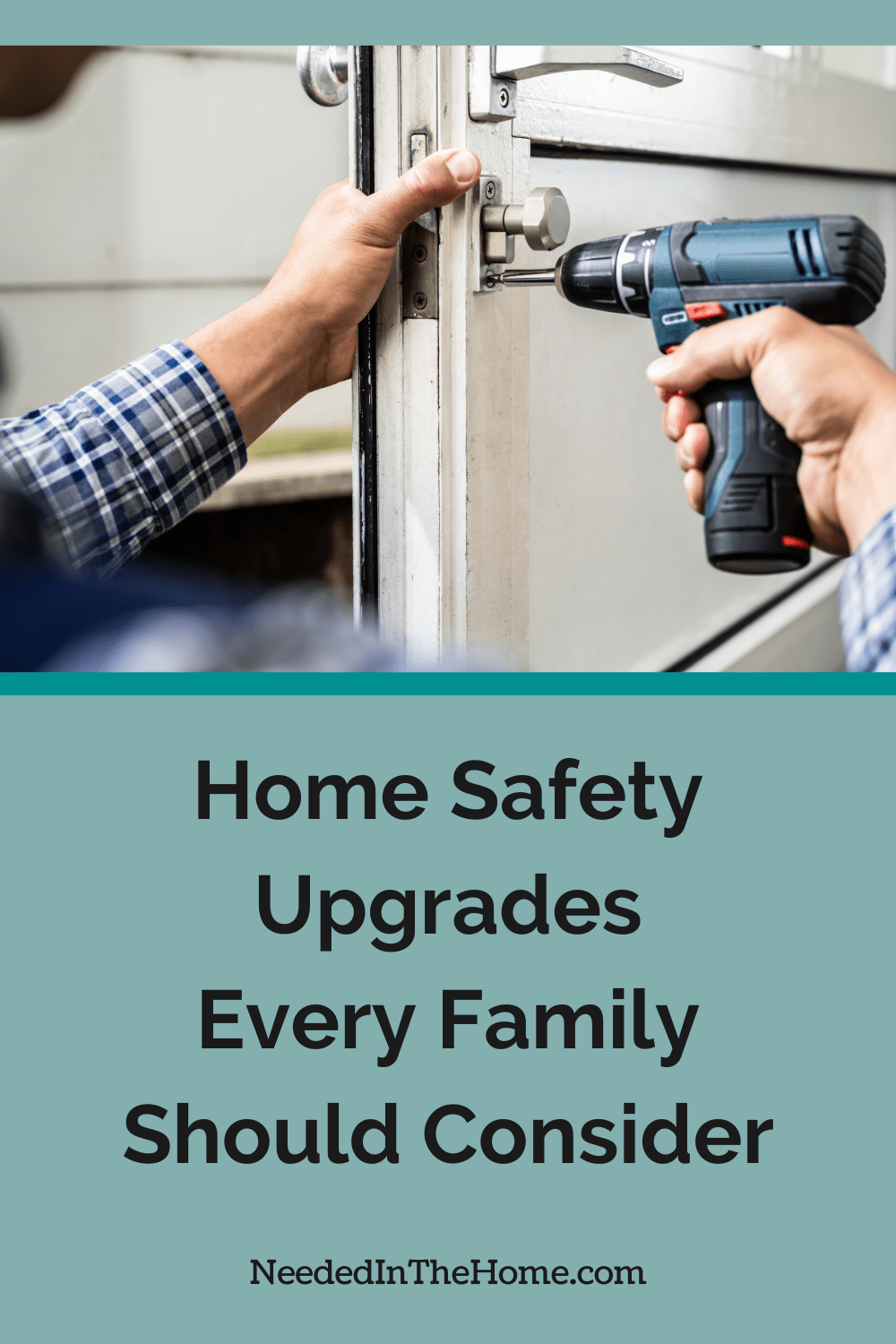
Keeping your family safe at home is a big deal for any parent or homeowner. You can’t plan for every single thing, but a few smart changes can really make a difference in keeping your loved ones and your stuff protected. These updates don’t have to break the bank or be super complicated.
Some links in this post are affiliate links, which means I receive a commission if you make a purchase.
Often, the best safety steps are just simple tweaks that fix common household dangers. From your yard to your hallways, let’s look at some key home safety upgrades every family might want to think about.
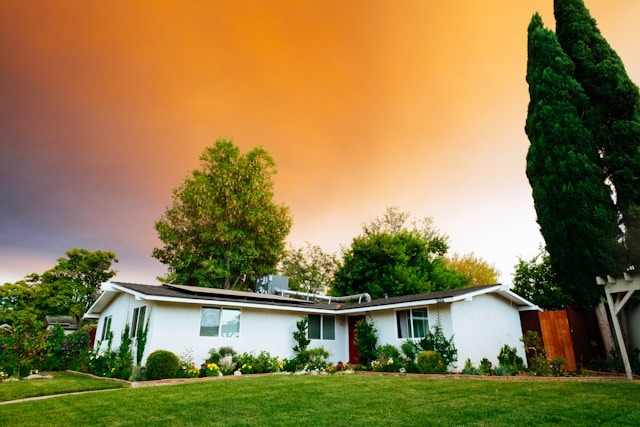
Image Credit: Unsplash
Start with the Perimeter: Securing Your Yard and Entryways
Your home’s first line of defense is what’s outside. A yard that’s well-kept and secure can scare off potential intruders and help stop accidents. Start by walking around your property. Are there bushes or trees that are too big, creating hidden spots near windows and doors? Trimming them back will help you see better.
Make sure your fences and gates are in good shape with latches that work. If your yard has steep slopes or retaining walls, check that they’re solid. Unstable ground can be pretty risky, but engineered solutions like TerraLock can help keep soil in place and stop erosion, making your yard safer for everyone.
Upgrade Your Locks and Alarms
Once you’ve sorted out your yard, let’s talk about the doors and windows themselves. The locks on your doors are super important for home security. If you still have the basic locks that came with your house, think about getting some good-quality deadbolts.
For extra ease and control, smart locks let you lock and unlock doors from afar and see who’s coming and going. Besides locks, a home alarm system adds another layer of protection. You can pick systems that just send alerts to your phone, or services that are monitored by pros who will call emergency services for you.
Make Windows Safer and More Secure
Windows are another important part of home safety, especially on the ground floor or in rooms that are easy to access from outside. Check that all window locks work properly and replace any that feel loose, rusty, or difficult to close. Even a small fault can make a window easier to force open or less safe during bad weather.
For extra protection, consider adding window sensors, security film, or reinforced glass in vulnerable areas. These upgrades can make break-ins harder and give you more time to respond if something happens. If you have young children, window restrictors can also help prevent falls while still allowing fresh air into the room.
It is also worth checking the area around your windows. Keep large objects, bins, or outdoor furniture away from windows so they cannot be used as climbing aids. A few small changes can make your windows safer without changing the look or comfort of your home.
Don’t Forget Environmental Detectors
Home safety isn’t just about keeping bad guys out; it’s also about protecting your family from dangers inside. You absolutely need environmental detectors in your home. You should have smoke alarms on every floor, inside each bedroom, and right outside sleeping areas. Just as crucial are carbon monoxide (CO) detectors, which warn you about this gas that you can’t smell or see.
Test your detectors every month and swap out the batteries at least once a year. For even more peace of mind, consider smart detectors that send alerts to your phone if you’re not home. Water leak sensors are another smart addition, as they can save you from expensive damage by telling you about leaks from appliances or pipes.
Illuminate Your Space for Better Safety
Good lighting is one of the easiest and most effective safety improvements you can make. Outside, put motion-activated floodlights near doors, garages, and any dark spots in your yard. This not only makes it easier for your family to get around at night but also surprises and deters anyone who shouldn’t be there. Inside, good lighting helps stop trips and falls, which are a common way people get hurt at home. Use nightlights in hallways, bathrooms, and bedrooms, especially if you have little kids or older family members. Setting lights on timers when you’re away can also make it look like someone is home.
Create a Family Emergency Plan
A physical upgrade is only as good as your plan for using it. Take some time to create and practice a family emergency plan. This should include clear escape routes from every room and a specific meeting spot outside, like a certain tree or a neighbor’s mailbox.
Make sure everyone in the family, including the kids, knows what to do if there’s a fire or another emergency. It’s also a good idea to put together a basic emergency kit with first-aid supplies, flashlights, batteries, and other important stuff.
Making these upgrades can really help you create a safer space for your family. You don’t have to do everything all at once. Just start with what feels most urgent for your home and work your way through the list. Every little improvement helps make your home more secure and protected.
This is a contributed post.
More From NeededInTheHome
Product Reviews
Get Our Books
Etsy Shop
TPT Store
eBay Store
Linktree
My Faith Testimony
Subscribe so you never miss a post.
If you find my tips useful, feel free to buy me a coffee. Thank you in advance!
Want to remember this? Pin it to your favorite Pinterest Board!
Join the newsletter
Subscribe to receive our latest articles and promotional content by email from NeededInTheHome
Leave a Reply