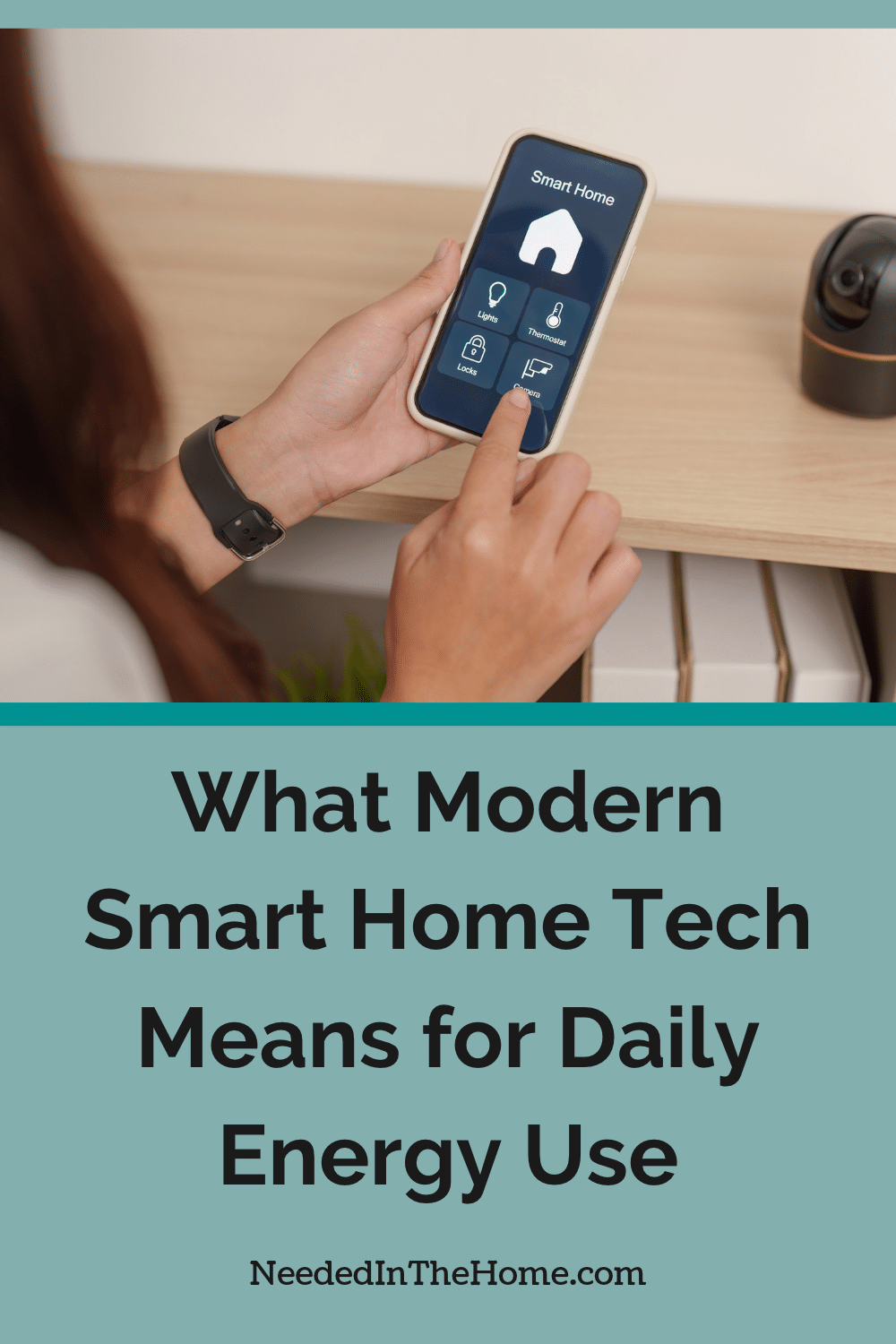
Unnoticed energy waste can quietly drive up household bills, from appliances drawing power on standby to inefficient hot water systems running more often than necessary. Without clear consumption data, it’s difficult to know where electricity is going or which changes will make a difference. Learn how smart monitoring, practical upgrades, and stronger device security can create a more efficient, cost-conscious home.
Some links in this post are affiliate links, which means I receive a commission if you make a purchase.

Image Credit: Unsplash
Track Real-Time Household Consumption
A home energy monitor connects to your electrical panel or smart meter and displays current consumption through an app. You can watch demand rise when the clothes dryer starts, see how cooling affects afternoon use, and compare weekday patterns with weekends.
Start by recording a normal week without changing your routine. That baseline makes later comparisons more meaningful. Next, switch off one appliance at a time and note the difference. Some systems can identify devices automatically, though results vary, so confirm unusual readings manually. Set alerts for sudden spikes or unusually high overnight use. A jump at 2 a.m. could point to a malfunctioning appliance, an unexpected heating cycle, or equipment that never entered standby mode.
Pinpointing Major Electrical Vampire Loads
Many electronics keep drawing electricity after you press the power button. These common phantom loads include televisions, printers, game consoles, countertop appliances, and chargers left plugged in without a device attached.
Use a plug-in energy meter to test suspect items over 24 hours. Overnight readings are especially useful because fewer large appliances are active. Once you identify unnecessary standby consumption, connect related electronics to a smart power strip and schedule it to switch off at bedtime. Devices that need continuous power, including routers and essential monitoring equipment, should stay on separate outlets. Other practical vampire energy solutions include unplugging rarely used appliances and enabling built-in sleep settings.
Why Efficient Hot Water Systems Matter Most
Water heating runs regularly throughout the year, so an aging or poorly sized unit can have a noticeable effect on household energy use. For homeowners in the Forster-Tuncurry area, professional advice about Hot Water Systems can help when an existing unit needs replacement or a renovation changes household demand.
Before choosing a system, review how many people live at home, when showers usually occur, and how often you run hot-water appliances. Smart timers can move heating cycles away from peak periods where rate plans allow it. Temperature controls also prevent needless overheating, though settings should always support safe water storage. If consumption rises without a change in routine, check for dripping fixtures, leaking pipes, or a system that cycles more frequently than usual.
Safeguarding Private Household Metrics
Energy data can reveal when people wake up, leave home, and return at night. Treat that information like any other sensitive account data. Choose monitoring products that explain where information is stored, how long it is retained, and whether it is shared with third parties.
Create a unique password for each smart home account and turn on multifactor authentication when available. Keep hubs, plugs, and thermostats updated since manufacturers often use software releases to fix security weaknesses. Your smart devices should also sit on a separate guest network if your router supports one. Before selling, recycling, or giving away a connected product, remove it from your account and restore its factory settings. Those few minutes prevent old household data from remaining accessible.
Building an Economical Living Space
Smart devices work best when they support basic home improvements. Seal gaps around doors, maintain heating and cooling equipment, and replace failing appliances according to actual energy use. This guide to easy home energy improvements offers more practical changes that can lower waste without filling every room with new technology.
Use automation selectively. A thermostat schedule may save energy every day, while a connected plug on an appliance you use twice a year adds little value. Review your energy dashboard once a month and compare consumption with the same season last year. Pay special attention to overnight baseload and hot water cycles. When those two readings stay steady and sensible, your smart home is doing useful work instead of merely generating more notifications.
This is a contributed post.
More From NeededInTheHome
Product Reviews
Get Our Books
Etsy Shop
TPT Store
eBay Store
Linktree
My Faith Testimony
Subscribe so you never miss a post.
If you find my tips useful, feel free to buy me a coffee. Thank you in advance!
Want to remember this? Pin it to your favorite Pinterest Board!
Join the newsletter
Subscribe to receive our latest articles and promotional content by email from NeededInTheHome
Leave a Reply