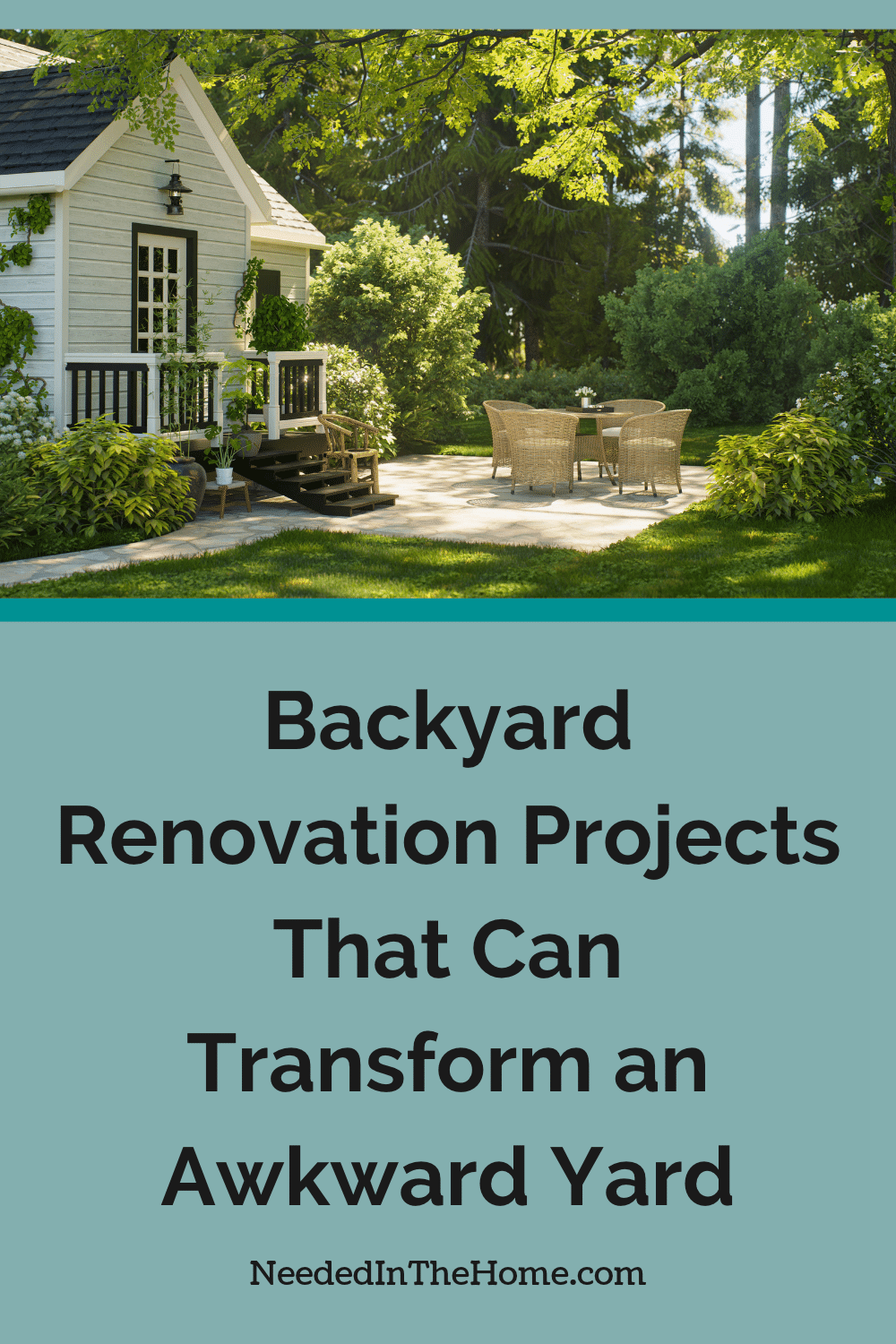
An awkward backyard often has one or two physical problems that affect the whole space. A steep slope may limit seating, an unused corner can collect clutter, and poor drainage may leave the lawn soggy after every storm. The best backyard renovation projects address those trouble spots first, then add comfort and character. Before buying furniture or plants, spend a few days watching how sunlight, water, and foot traffic move through the yard. Those observations will help you invest in changes that make the space easier to use year-round.
Some links in this post are affiliate links, which means I receive a commission if you make a purchase.
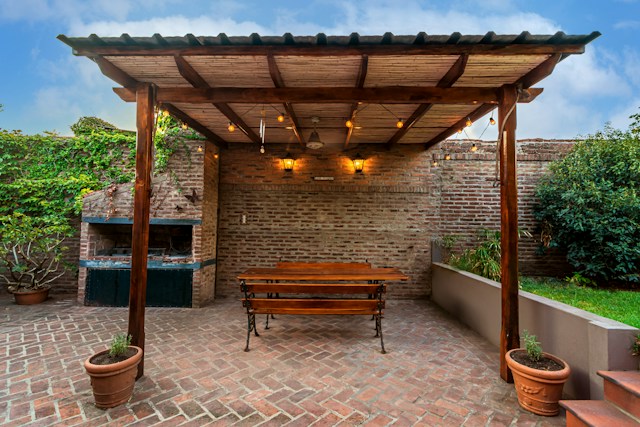
Image credit: Unsplash
Start With the Yard’s Levels
Sloped ground can make dining tables wobble, complicate mowing, and direct runoff toward the house. Creating defined levels gives each part of the yard a clearer purpose. One level might hold a patio while another becomes a planting bed or open play area.
If an old wall is leaning, cracked, or poorly positioned, professional retaining wall removal may be needed before the site can be reshaped safely. This type of structural work calls for careful excavation and site preparation, especially when soil pressure or nearby buildings are involved. Check local permit requirements and have underground utilities marked before any digging begins.
Turn Dead Corners Into Useful Zones
A narrow side yard or oddly shaped corner doesn’t need to remain empty. Give it one clear job based on its dimensions and conditions. A sunny corner could hold two chairs and a small table, while a shaded strip may work well as a path lined with containers.
Use painter’s tape, garden stakes, or a hose to mark the proposed footprint before installing anything permanent. This quick test shows whether doors can open freely and people can move around without squeezing past furniture.
Create a Path That Connects Everything
Awkward yards often feel disconnected because there’s no obvious route between the house, seating area, and garden. A path creates order and protects grass from repeated foot traffic. It can also guide visitors around muddy ground or a sharp change in elevation.
For a casual path, set large pavers into gravel or mulch with comfortable, even spacing. A heavily used route may need a compacted base and a more stable surface. Aim for a width of about 36 inches for a basic walkway, then go wider near gates or gathering spaces. Curves can soften an unusual boundary, but avoid tight bends that make the route inconvenient. This guide to creating a functional outdoor space offers more ideas for organizing difficult layouts.
Fix Drainage Before Adding Finishing Touches
Water problems can quickly damage new plants, paving, and outdoor furniture. After steady rain, look for puddles that remain for more than a day and note where runoff enters or leaves the property. Downspouts that release water beside a foundation may need extensions, while compacted soil can sometimes benefit from aeration and added organic matter.
More persistent problems may require grading, a channel drain, or another professionally designed drainage system. Complete this work before laying a patio or building raised beds so finished surfaces don’t have to be removed later. Once the yard drains properly, use permeable materials where practical. Gravel paths, spaced pavers, and planting beds allow some rainwater to soak into the soil instead of flowing across a solid surface.
Add Comfort Without Crowding the Space
Furniture should fit the usable area with room left for movement. Allow roughly 30 to 36 inches behind dining chairs when possible, and keep the main walking route clear. In a small or irregular yard, a built-in bench can follow a boundary without consuming the center of the space.
Shade also affects how often you’ll use the finished yard. A freestanding umbrella offers flexibility, while a pergola can define a larger sitting area. Solar path lights and low-voltage fixtures can mark steps after dark without making the space feel overlit.
The most successful renovation will respond to the yard’s specific obstacle. Once a slope, drainage issue, or forgotten corner has been handled, even simple additions such as a bench and a well-placed path can make the backyard feel like a natural extension of the home.
This is a contributed post.
More From NeededInTheHome
Product Reviews
Get Our Books
Etsy Shop
TPT Store
eBay Store
Linktree
My Faith Testimony
Subscribe so you never miss a post.
If you find my tips useful, feel free to buy me a coffee. Thank you in advance!
Want to remember this? Pin it to your favorite Pinterest Board!
Join the newsletter
Subscribe to receive our latest articles and promotional content by email from NeededInTheHome
Leave a Reply