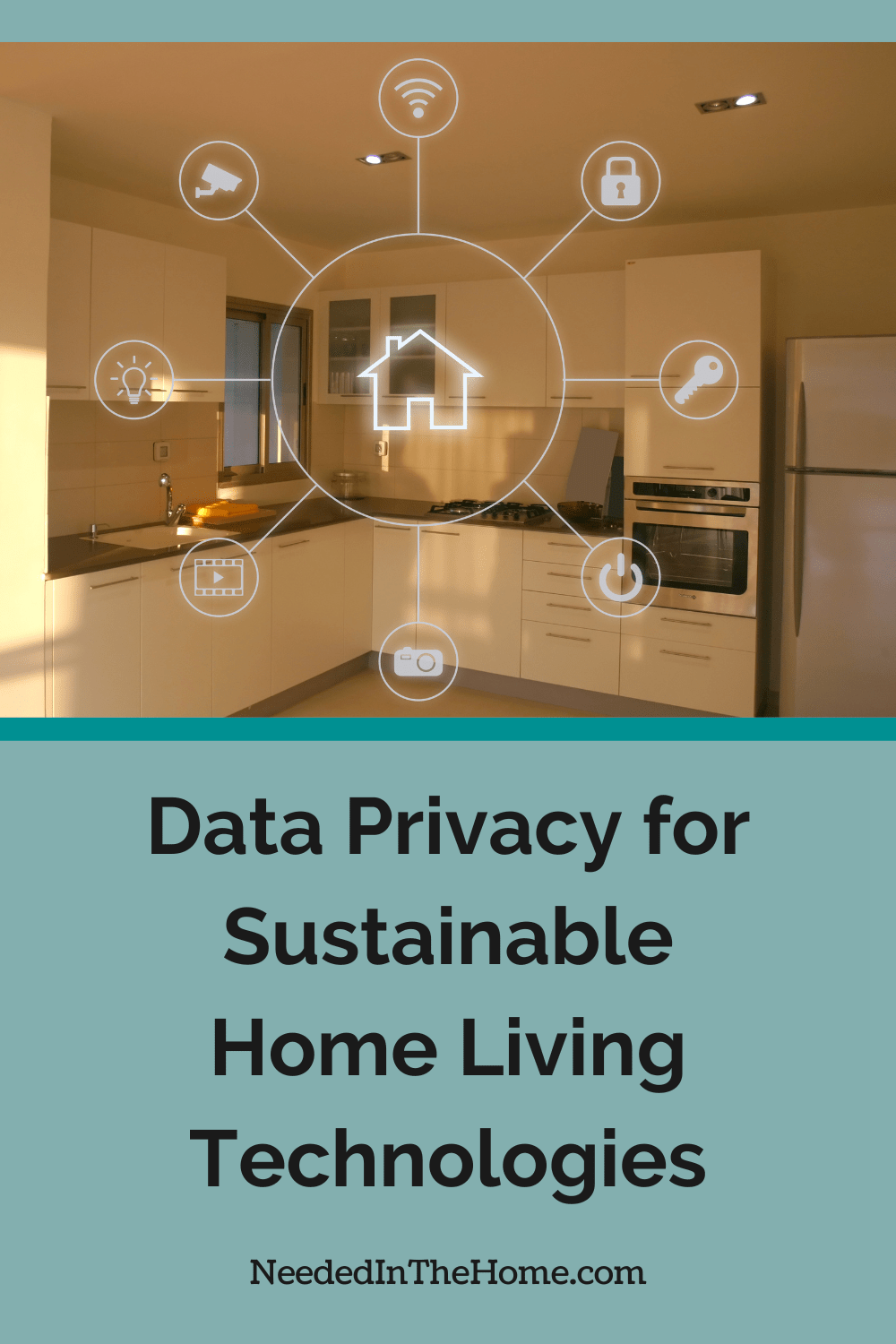
A smart, sustainable home sounds great, right? It promises a future where our living spaces actively work to save resources and cut down on utility bills. From thermostats that learn your schedule to lights that adjust on their own, green technology is making our homes more efficient than ever. But this convenience comes with a hidden cost: our personal data. As we connect more devices to our home networks, we create a detailed digital picture of our lives. We need to manage this carefully to protect our privacy.
Some links in this post are affiliate links, which means I receive a commission if you make a purchase.
Image Credit: Unsplash
The Green Tech Revolution
The push for sustainable living has kicked off a revolution in home technology, making it a good time for smart technology. Smart thermostats, for example, do much more than just simple programming. They learn your family’s routine – when you wake up, leave for work, and come home – to optimize heating and cooling, cutting down on wasted energy. Smart lighting systems do something similar, using sensors to turn off lights in empty rooms or dim them based on how much natural light is available.
Even our appliances are getting smarter. Refrigerators can track what’s inside to help reduce food waste, and washing machines can be set to run during off-peak hours when electricity is cheaper and demand on the grid is lower. Each of these innovations aims to make our homes more eco-friendly and cost-effective. They’re a big step forward in personal environmental responsibility, giving homeowners powerful tools to reduce their carbon footprint one automated adjustment at a time. All these small changes together can make a huge difference, both for a household’s budget and for the planet.
Data Collected by Smart Homes
While these devices are busy saving energy, they’re also collecting a lot of data. A smart thermostat doesn’t just know your preferred temperature; it knows when your home is occupied and when it’s empty. Smart speakers listen to your conversations, smart plugs monitor which devices you use and when, and smart security cameras see everything in their view. This information builds a detailed profile of your daily life, from your sleep schedule to what you watch for entertainment.
This data is valuable. Manufacturers use it to improve their products and create new features. However, it can also be shared with or sold to other companies for marketing and advertising. The bigger worry for many is security. A network of connected devices can be vulnerable to breaches, potentially exposing sensitive personal information. Understanding smart home privacy concerns is the first step to lowering these risks. Every new gadget you add to your network adds another layer to your digital footprint, so it’s crucial to be aware of what you’re sharing.
Achieving Energy Independence
One of the best ways to boost both sustainability and data privacy is to take control of your home’s energy source. While smart devices help you manage energy use, generating your own power means you rely less on the grid and the utility companies that run it. This is where technologies like residential solar panels come in, offering a direct path to energy independence. By producing your own electricity, you’re not just lowering your carbon footprint; you’re also minimizing how much energy usage data you share with outside corporations.
Many homeowners find that switching to solar power simplifies their relationship with energy. Instead of just being a consumer dealing with changing rates and complex data-tracking programs, you become an active producer. Investing in custom solar energy solutions lets you design a system for your property’s specific needs and your family’s consumption patterns. When paired with a battery storage system, you can even keep your home powered during grid outages, offering a level of security and self-sufficiency that smart consumption devices alone can’t provide. This move shifts the focus from simply using less energy to creating your own clean, secure power source.
Managing Your Privacy Settings
Taking control of your smart home’s data doesn’t mean you need to be a tech expert. You can significantly improve your privacy with a few simple steps. Start by creating a strong, unique password for your home’s Wi-Fi network and for each smart device account. Avoid using default passwords, as they’re a common way for unauthorized people to get in.
Next, dig into the settings for each of your smart devices. Most apps have a privacy section where you can control what data is collected and how it’s used. Look for options to opt out of data sharing for marketing or to turn off features you don’t use, like voice recording on a smart TV. It’s also a good idea to check the permissions you’ve given to each device’s mobile app. Does your smart lightbulb app really need access to your contacts? If not, revoke that permission. The relationship between privacy and data use in modern homes is complex, but these small adjustments can give you more control over your personal information.
Future-Proofing Your Home Tech
As technology changes, the best way to protect your privacy is to make informed choices from the start. Before buying a new smart device, do some research on the manufacturer. Choose brands known for good security and a clear policy of providing regular software updates. These updates often include critical fixes that protect your devices from newly discovered vulnerabilities.
Consider devices that offer “local control,” meaning they can work without being constantly connected to the internet. A smart switch you can control directly from your phone over your local Wi-Fi network is naturally more private than one that sends every command through a company’s cloud server. Also, keep an eye on new industry standards like Matter. This new protocol aims to make smart home devices from different companies work together more securely and reliably, giving you more flexibility and control over your home’s ecosystem. Prioritizing security and interoperability helps you build a smart home that is not only sustainable but also resilient and respectful of your privacy for years to come.
Ultimately, building a sustainable and private smart home means making conscious choices. Understanding how your devices work and taking proactive steps to manage your data helps you enjoy the benefits of green technology without giving up your personal information.
This is a contributed post.
More From NeededInTheHome
Product Reviews
Get Our Books
Etsy Shop
TPT Store
eBay Store
Linktree
My Faith Testimony
Subscribe so you never miss a post.
If you find my tips useful, feel free to buy me a coffee. Thank you in advance!
Want to remember this? Pin it to your favorite Pinterest Board!
Join the newsletter
Subscribe to receive our latest articles and promotional content by email from NeededInTheHome
Leave a Reply