
Sometimes all you need at home is to just clear the air – literally. This is something that you can achieve much more easily than you might have thought, and it’s likely that you are going to really notice a huge difference once you have done so. With clearer air, you are going to breathe more easily, be more relaxed in your home, and will suffer fewer illnesses in general too. So what are some of the things you can do to improve your air quality at home? As it happens, it’s relatively simple to get right.
Some links in this post are affiliate links, which means I receive a commission if you make a purchase.
Letting Your Home Breathe
One of the simplest and most effective ways to improve air quality is also the oldest: ventilation. Opening windows regularly allows fresh air to replace stale indoor air, diluting pollutants and reducing humidity levels. Even in colder months, a brief daily airing can make a noticeable difference. Cross-ventilation, perhaps by opening windows on opposite sides of the house, encourages airflow and helps flush out trapped air pockets. Kitchens and bathrooms, where moisture and odours are most concentrated, benefit especially from good ventilation. Extractor fans, when used consistently, can prevent dampness from settling into walls and ceilings.
The Role of Humidity
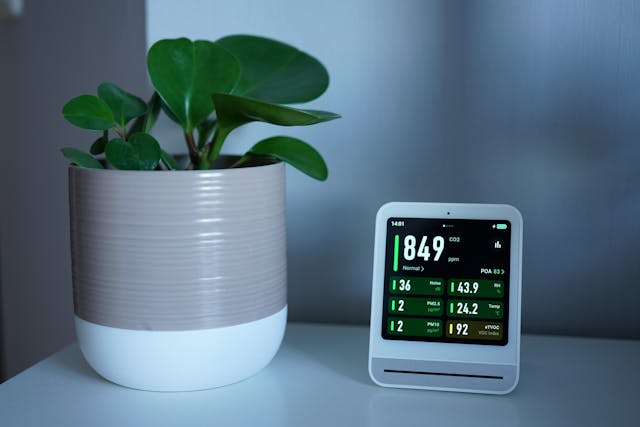
Air quality isn’t just about what’s in the air, but also how much moisture it holds. Too much humidity creates a breeding ground for mold, dust mites, and bacteria. Too little, on the other hand, can dry out skin, irritate airways, and make a home feel uncomfortable. Maintaining a balanced humidity level – generally between 30% and 50% – helps keep your indoor environment stable. Dehumidifiers can be useful in damp areas, while humidifiers may help during dry winter months. Even small habits, like covering pots while cooking or drying clothes outside when possible, can help regulate moisture levels.
The Hidden Risk of Mold
One of the most significant threats to indoor air quality is also one of the least visible. Mold can develop in hidden areas and feeds on moisture while spreading spores into the air. Exposure to mold can cause a range of health issues, from mild irritation to more serious respiratory problems. The challenge is that it often goes unnoticed until it becomes a larger issue. This is where professional mold testing can play a crucial role. By identifying the presence and type of mold in your home, testing provides clarity and allows you to address the problem at its source.
Material Choice
The products and materials you bring into your home also affect air quality. Many cleaning supplies, paints, and furnishings release volatile organic compounds (VOCs), which can linger in the air and contribute to indoor pollution. Switching to low-VOC or natural alternatives can reduce this burden. Even small changes, like using fragrance-free cleaning products or avoiding aerosol sprays, can make a difference over time. When possible, allowing new furniture or freshly painted surfaces to air out before fully occupying a space helps minimize exposure.
This is a contributed post.
More From NeededInTheHome
Product Reviews
Get Our Books
Etsy Shop
TPT Store
eBay Store
Linktree
My Faith Testimony
Subscribe so you never miss a post.
If you find my tips useful, feel free to buy me a coffee. Thank you in advance!
Want to remember this? Pin it to your favorite Pinterest Board!
Join the newsletter
Subscribe to receive our latest articles and promotional content by email from NeededInTheHome
Leave a Reply