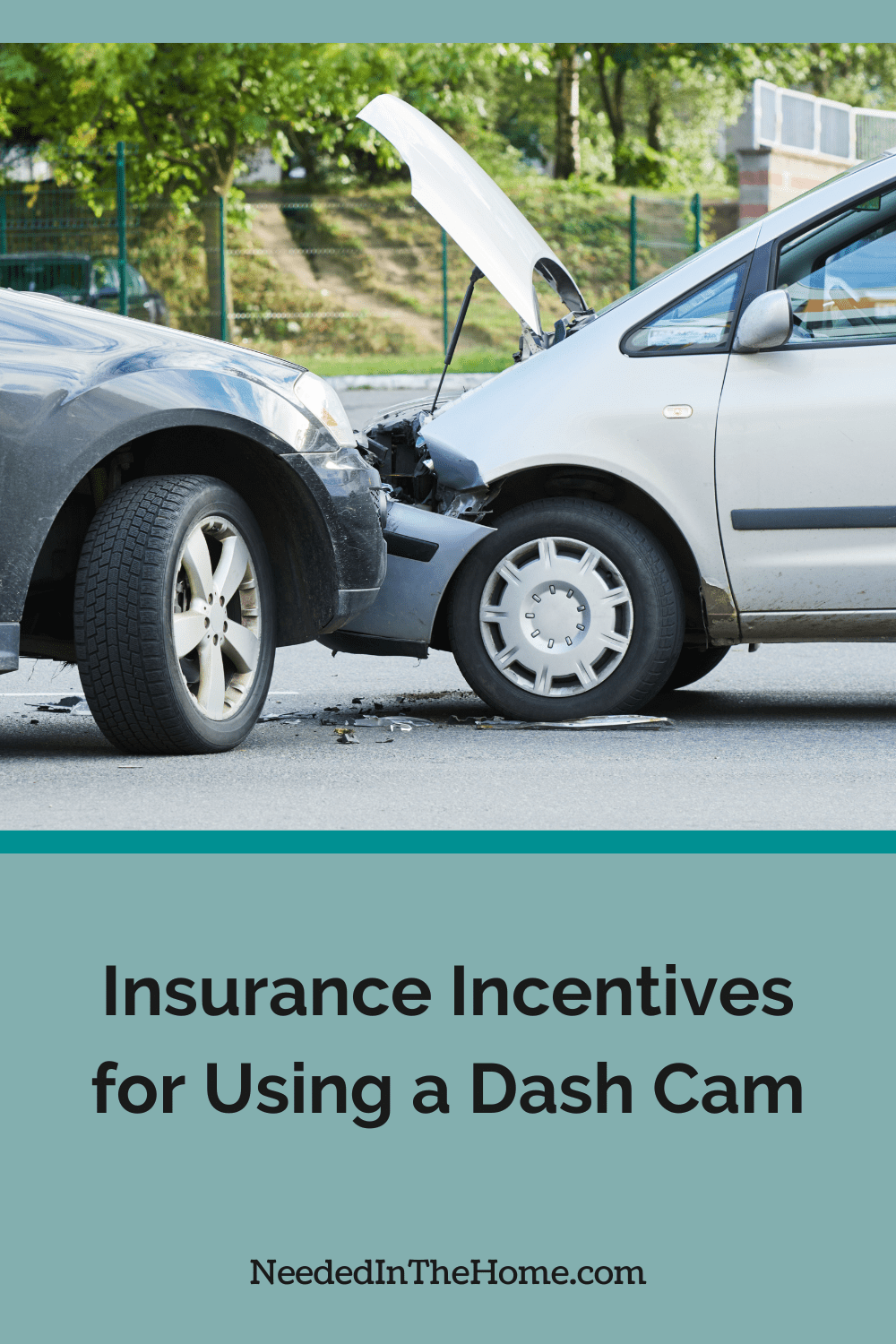
You know that tight feeling in your chest when you see brake lights flare up ahead and your
brain whispers, “Please, not today.” Accidents happen fast. Stories get messy faster. And
when insurers start asking questions, you suddenly realize how fragile “he said, she said” can
be. That’s why more drivers are turning to a dash cam—not as a gadget, but as a quiet
witness that never blinks.
And yes, insurance companies have noticed.
Some links in this post are affiliate links, which means I receive a commission if you make a purchase.
In this guide, you’ll learn what kinds of insurance incentives may be available, how they
work, how to ask for them, and how to set yourself up so your footage actually helps you
(instead of creating more stress). Along the way, we’ll dramatize a few surprising words—because language, like driving, has a way of showing up when you least expect it.
Why insurers care about dash cam footage (and why YOU should too)
Insurers don’t just sell policies—they manage risk. Anything that clarifies fault, reduces
fraud, and speeds up claims is valuable to them. Video evidence can do all three.
Here’s what a simple clip can change overnight:
- It can establish what really happened. Lane drift, red-light runs, sudden stops—video
captures what memory can’t. - It can reduce fraudulent claims. Staged collisions and exaggerated damage become harder to
pull off. - It can accelerate claim resolution. Fewer arguments. Fewer back-and-forth calls. Less “we’ll
investigate for 30 days.”
When an incident happens, the immediate aftermath can be a blur of adrenaline and confusion, making it difficult to recall precise details later. Without clear evidence, navigating the claims process or even simply recounting events to others can become a frustrating exercise in subjective memory. This is where objective documentation becomes critical. It provides an unvarnished account that cuts through conflicting narratives. Having the precise facts of a collision can be crucial, especially if you need the legal support of a car accident lawyer to protect your interests and ensure a fair outcome.
Now, about that word dramatize. Picture this: you’re replaying footage after a near-miss,
hands still shaking, and your friend says, “Don’t dramatize it.” But your body disagrees. Your
heartbeat is loud. Your mouth is dry. And the video shows the truth: the other car cut across
two lanes like it was late to its own wedding. You weren’t dramatizing anything—you were
surviving it. That’s the heart of why evidence matters. It protects you from someone else
turning your reality into a performance.
What kinds of insurance incentives might be available?
Not every insurer offers a clear “dash cam discount,” and incentives vary widely by state,
company, and policy type. Still, there are common ways insurers may reward or benefit
drivers who use video.
1) Direct discounts (rare, but growing)
Some insurers experiment with small discounts for documented use of a dash cam. These
programs are not universal, but they’re becoming more common as claims departments see
how much time and money video saves.
What you can do: ask customer service plainly whether there is a discount for using a camera
and whether proof is required.
2) Indirect savings through faster, cleaner claims
Even without a formal discount, video can protect you from paying for what you didn’t do.
That’s an incentive you feel in your wallet later: fewer liability findings against you, fewer
premium hikes tied to questionable fault.
If you’ve ever watched a tiny misunderstanding grow into a giant insurance “truth,” you
already know this is where the real money is.
3) Reduced fraud exposure
Fraud is a hidden tax. Insurers raise premiums when fraud rises. When more drivers record,
scammers have fewer places to hide. While this doesn’t always show up as a line-item
discount, it can support more stable pricing over time.
4) Telematics bundles and safe-driving programs
Some insurers offer telematics programs (phone apps or plug-in devices) that track driving
behavior. Occasionally, camera use may pair well with these programs, even if it’s not
officially required.
Just be careful: telematics measures things like braking and acceleration. A camera may
prove you braked hard for a good reason, but the algorithm may still flag it. You want clarity on how your data is used.
How to ask your insurer the right questions (so you don’t get brushed off)
You deserve more than a vague “we don’t do that.” When you call or chat, be
specific. Try asking:
- “Do you offer any discount for using a dash camera?”
- “If there’s no discount, does video footage help determine fault or speed up claims?”
- “If I submit footage, how is it stored and who can access it?”
- “Is footage ever used to deny a claim if it shows something unrelated?”
That last question matters more than people admit. You want a benefit, not a trap.
This is where that word article comes in. Years ago, someone might have clipped an article
from a newspaper—folded, creased, and saved “just in case.” Imagine you doing the modern
version: you’re not clipping paper, you’re saving a file. And in the moment you need it, that
“article of proof” becomes your protection. You don’t need louder opinions. You need
cleaner facts.
Choosing and using a dash cam so it actually helps your insurance case
Buying any device is easy. Using it correctly is where the real value lives. If you
want your dash cam footage to matter during a claim, focus on these practical
points:
Get the right coverage
- Front-only is helpful.
- Front + rear is much better for rear-end disputes and multi-car incidents.
- Parking mode can help with hit-and-runs in lots, depending on your power setup.
Prioritize clarity over bells and whistles
Insurers and adjusters need readable license plates and visible signals. Look for:
- 1080p minimum (higher can help, but only if the lens and sensor are good)
- solid low-light performance
- reliable date/time stamping
Keep it running and keep it honest
A camera that’s off during the one moment you need it is heartbreak in plastic housing. Make
it part of your routine.
And yes—honesty matters. Video doesn’t only show the other driver. It shows you, too.
That’s why it’s so powerful…and why it can feel intimidating. But if you drive responsibly,
evidence is your ally.
Store footage safely
Use a quality memory card and format it as recommended. Consider backing up important
clips quickly. When something happens, save the file immediately so it doesn’t get overwritten.
Privacy, consent, and the “what if it records more than you meant?”
Depending on where you live, audio recording rules vary. Some places allow one-party
consent; others require everyone being recorded to consent. Video in public is generally less
restricted, but audio can be the sticky part.
If you drive for work, rideshare, or routinely carry passengers, check local laws and consider
a visible notice. The goal is protection, not paranoia.
Now for the third word: fecund. It’s not a word you hear at the gas station. But imagine
this scene: you’re sitting at a café after a small fender-bender, replaying the clip, and your
friend—who reads too much poetry—says, “This footage is…fecund.” You blink. They
explain: it means rich, productive, overflowing with potential. That’s what good evidence is.
It’s not just “a video.” It’s a fertile little truth-generator: angles, timing.
This is a contributed post.
Join the newsletter
Subscribe to receive our latest articles and promotional content by email from NeededInTheHome
More From NeededInTheHome
Product Reviews
Get Our Books
Etsy Shop
TPT Store
eBay Store
Linktree
My Faith Testimony
Subscribe so you never miss a post.
If you find my tips useful, feel free to buy me a coffee. Thank you in advance!
Want to remember this? Pin it to your favorite Pinterest Board!
Join the newsletter
Subscribe to receive our latest articles and promotional content by email from NeededInTheHome
Leave a Reply