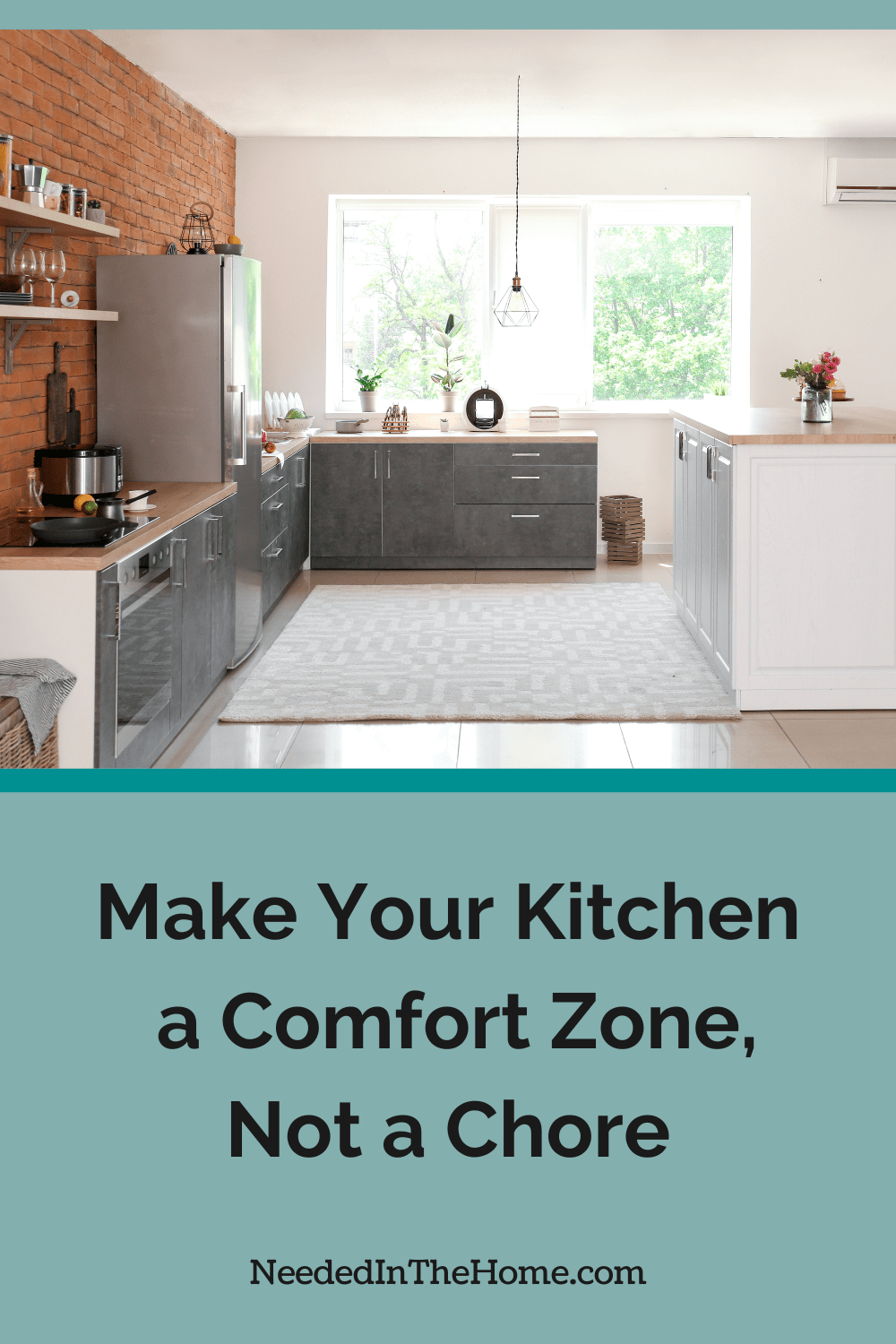
The kitchen often feels like the busiest room in the house, a place for connection and nourishment. It’s where we craft family meals, experiment with new recipes, and grab a quick snack between tasks. But for many, this central hub also brings a lot of physical strain. All that bending, reaching, standing, and chopping can leave you with an aching back, sore feet, and tired wrists. If you find yourself dreading meal prep more than you enjoy cooking, you’re definitely not alone. The good news is, with a few thoughtful tweaks, you can turn your kitchen from a place of work into a zone of comfort.
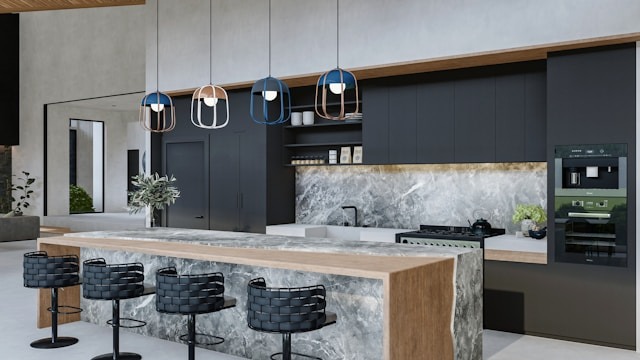
Image Credit: Unsplash
Kitchen Discomfort is Common
That lingering ache in your lower back after washing dishes, or the stiffness in your hands after dicing vegetables? It’s not just in your head. Kitchen work is surprisingly physical. Standing for long stretches on hard floors can really hurt your feet, legs, and back. Countertops that are too low or too high force you into awkward positions, straining your neck and shoulders. And all those repetitive motions like chopping, stirring, and scrubbing can lead to joint pain and repetitive strain injuries over time.
Think about the last big holiday meal you made. You probably spent hours on your feet, moving between the counter, stove, and sink. You lifted heavy pots, reached for ingredients in high cabinets, and bent down for pans in low cupboards. All these little movements really add up, leaving you exhausted before you even sit down to eat. This physical toll can slowly chip away at the joy of cooking, turning a creative outlet into a dreaded chore. Realizing that this discomfort comes from your kitchen’s setup, not from you, is the first step to finding a solution.
Design for Daily Use
A comfortable kitchen starts with a smart layout. The idea of the “kitchen work triangle” has been around for ages for a good reason: it’s all about cutting down the steps you take between the three main spots – the sink, the fridge, and the stove. When these are set up efficiently, you walk and twist less, which saves energy and prevents strain. But good design goes beyond just this classic rule. It’s about creating a space that truly works for your body and your daily routine. How you make your comfort and usability better often comes down to small, personal adjustments.
Think about your storage. Are your most-used items easy to grab? Keeping heavy pots, pans, and everyday dishes between your waist and shoulder height means you won’t have to bend way down or reach way up. Pull-out shelves in lower cabinets can bring items right to you, so you don’t have to crouch and dig around in the back. The same goes for your pantry: organizing it so frequently used ingredients are at eye level can make a huge difference. Beyond the layout, a truly comfy space has the right tools. Getting a few key ergonomic kitchen essentials can really cut down the physical stress of daily cooking, making the whole process feel smoother and less tiring.
Tools for Strain-Free Cooking
Once your kitchen layout feels good, the next step is to look at the tools you use every day. The right gear can take the strain out of common tasks, protecting your joints and muscles from getting tired. One of the simplest, yet most effective, things you can add is an anti-fatigue mat. Put one in front of the sink or your main prep area, and it’ll give you cushioning that reduces stress on your feet, knees, and back when you’re standing for a while. It’s a small change that brings a lot of comfort.
Your choice of cookware and utensils also makes a difference. Look for knives with thick, non-slip handles that feel good in your hand, so you don’t have to grip so hard when chopping. Lightweight pots and pans with helper handles make lifting and moving hot food safer and easier. And don’t forget how much electric appliances can help with the heavy lifting. A stand mixer can handle kneading and mixing that would otherwise tire out your arms, while a food processor can chop, slice, and shred in seconds. These thoughtful kitchen design tips aren’t about being fancy; they’re about creating a functional space that supports your well-being and makes you want to cook.
Your Kitchen, Your Sanctuary
Ultimately, the goal is to create a kitchen that feels like a sanctuary, not a factory floor. When your space is comfortable and efficient, you free up mental and physical energy to really enjoy the creative side of cooking. The aches and pains that used to distract you disappear, replaced by a sense of ease and flow. This is when cooking changes from just something you have to do into a mindful practice – a chance to unwind, experiment, and make something wonderful.
Think about adding things that bring you joy. Good lighting is important, not just for safety but for your mood. Under-cabinet lighting can brighten your workspace beautifully, while a dimmer on your overhead lights can create a softer vibe for dining. Clear a little spot on the counter for a plant or some fresh flowers. Set up a small speaker for your favorite music or podcasts while you cook. These personal touches help make the kitchen truly your space. When you love being in your kitchen, you’re more likely to cook healthy, delicious meals and make lasting memories with family and friends, even if you sometimes run into strange kitchen smells.
A comfortable kitchen is an investment in your own well-being. By making a few smart changes to your layout, tools, and atmosphere, you can cut down on physical strain and rediscover the joy of cooking. Start with one small adjustment today and see how it changes your experience.
This is a contributed post.
More From NeededInTheHome
Product Reviews
Get Our Books
Etsy Shop
TPT Store
eBay Store
Linktree
My Faith Testimony
Subscribe so you never miss a post.
If you find my tips useful, feel free to buy me a coffee. Thank you in advance!
Want to remember this? Pin it to your favorite Pinterest Board!
Join the newsletter
Subscribe to receive our latest articles and promotional content by email from NeededInTheHome
Leave a Reply