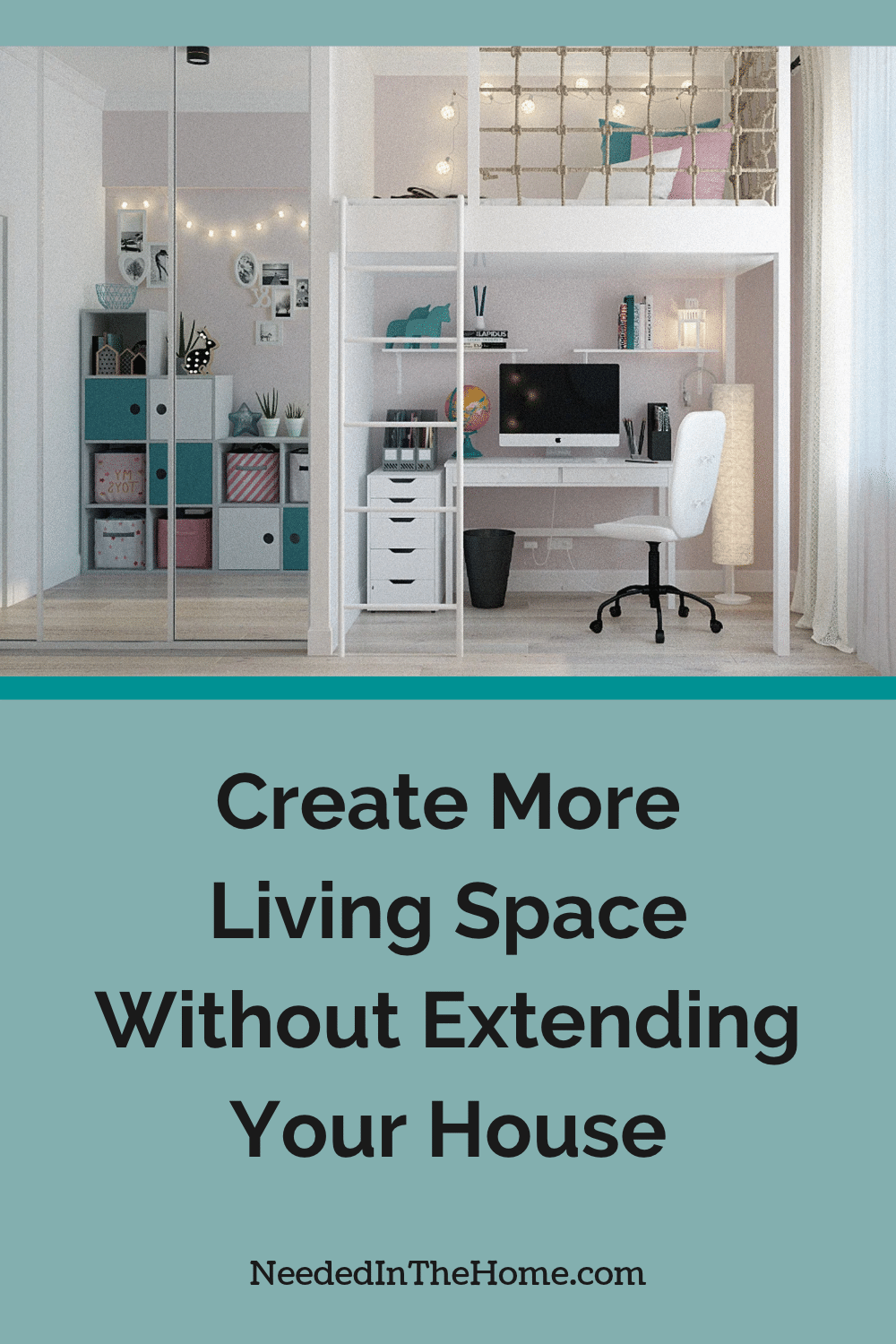
Limited floor space can make a comfortable home feel cramped, but extending the property isn’t the only way to create more room. Better storage, more flexible furniture and a fresh look at underused areas can free up space without changing the building’s footprint. Some of the most effective ideas are also far less disruptive than major construction, as these creative home transformations demonstrate.
Some links in this post are affiliate links, which means I receive a commission if you make a purchase.
Before buying furniture or booking trades, spend a week noticing where clutter gathers and which areas rarely get used. That small audit will show you where the real opportunities lie.
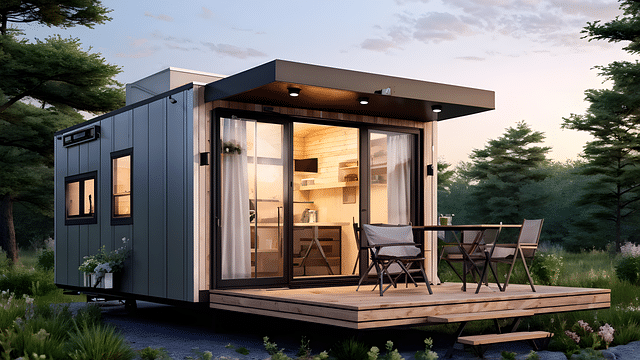
Image Credit: Pixabay
Clear out space you already have
Start with the rooms that feel most crowded. Empty one cupboard, shelving unit or storage zone at a time, then sort its contents into items you use regularly, items that belong elsewhere and things you can donate or discard.
Look closely at furniture too. An armchair that nobody sits in may occupy more than a square metre, while a large entertainment unit can dominate an entire wall. Removing one bulky piece sometimes improves a room more than adding several storage products.
Try to keep frequently used surfaces clear. A kitchen bench covered with appliances feels smaller and leaves less preparation space, so store anything used only once or twice a week. In bedrooms, move seasonal clothes into labelled containers under the bed or onto a high wardrobe shelf.
Measure the room after decluttering. Knowing the available wall lengths, ceiling height, and gaps around doors helps you choose furniture that fits properly instead of relying on guesswork.
Make every room work harder
A spare bedroom doesn’t need to serve one purpose all year. A wall bed or sofa bed can turn it into a guest room when needed, while a compact desk lets it function as a study for the rest of the time. If you’re planning that setup, these home office ideas offer practical ways to create a dedicated work zone.
Dining areas can also become more flexible. Choose an extendable table that stays compact during the week and opens when friends or family visit. Benches that slide beneath the table take up less visual space than a full set of chairs, and some designs include storage inside.
Think about how often each room gets used. A formal dining room that hosts two meals a year might suit daily homework, craft projects or remote work. Define each activity with a rug, lamp or narrow shelving unit so the space remains organised without putting up permanent walls.
Flexible rooms work best when everything has a clear home. Otherwise, changing from one activity to another becomes a tiresome process of shifting clutter.
Use walls and awkward corners
Floor space is limited, but many homes have bare walls that could provide useful storage. Install shelving above a desk, beside a doorway or in the space over a washing machine. Full-height cabinets make use of the area close to the ceiling, which often goes untouched.
Corners deserve attention as well. A fitted corner desk can create a work area without taking over the room, while shallow corner shelves are useful for books, plants and small household items. Under-stair areas may accommodate drawers, cupboards or a compact reading nook, depending on their height and access.
Keep circulation paths clear when adding storage. Hallways and doorways should remain easy to move through, particularly for children, older relatives and anyone with limited mobility. Shallow units are usually a better choice in narrow areas.
Closed storage reduces visual clutter, but a room filled with solid cabinets can feel heavy. Mix cupboards with a few open shelves and leave some wall space empty. That balance gives you practical storage while keeping the room calm and open.
Create separation without building walls
Open-plan rooms often feel short on usable space because several activities compete within one large area. Creating distinct zones can make the same floor plan feel more ordered.
Place the back of a sofa towards the dining area to mark the edge of the lounge. A low bookcase can divide a study nook from a living area while allowing light to pass across the room. Curtains, folding screens and slatted timber panels also provide separation without the cost and disruption of a full wall.
Lighting helps reinforce each zone. Use a pendant above the dining table, a focused lamp at the desk and softer lighting near the sofa. Rugs can perform a similar job, especially when the furniture sits partly within their edges.
Avoid squeezing too many zones into one room. A three-by-four-metre living room probably can’t comfortably support lounging, dining, exercise and office functions at once. Prioritise the two activities you use most, then choose furniture that can be packed away when occasional needs arise.
Consider a separate small dwelling
Some households need more room than rearranging furniture can provide. If the property has suitable outdoor space, an expandable pod can offer a separate area for guests, everyday living or other household needs without extending the main house.
For homeowners considering this option, Tiny Home Pods offers expandable tiny homes, including models with a kitchenette and bathroom, as well as custom and off-grid options. Before choosing a design, consider how the space will be used, what facilities you need and whether the property can accommodate delivery and installation.
Check local requirements at the beginning of the process. Planning and building rules can vary depending on the structure, how you intend to use it, and the property itself. The NSW Government’s information on planning approval pathways is a useful starting point, followed by advice from your local council or an appropriately qualified planning professional.
Map the proposed location and measure access from the street. Account for drainage, utilities, trees, boundaries and outdoor areas you want to retain. A separate structure should solve a space problem without making the garden difficult to use or maintain.
Let light improve the sense of space
Natural light won’t add square metres, but it can make enclosed rooms feel far more comfortable. Remove furniture that blocks windows and choose window coverings that can open fully during the day. Cleaning the glass and trimming plants outside may also produce a noticeable improvement.
Mirrors work well when positioned across from a window or beside a light source. One large mirror usually looks calmer than a collection of small ones in a compact room. Pale wall colours can help spread daylight, though you don’t need to make every surface white. Soft greens, warm neutrals and muted blues can still create an airy result.
Keep sightlines open between connected areas. Low-backed furniture lets you see further across the room, while glass-topped tables occupy less visual space than heavy solid designs.
The best first change is often obvious once you identify the place where movement, storage or daily routines regularly break down. Fix that specific pressure point and the rest of the home may already begin to feel larger.
This is a contributed post.
More From NeededInTheHome
Product Reviews
Get Our Books
Etsy Shop
TPT Store
eBay Store
Linktree
My Faith Testimony
Subscribe so you never miss a post.
If you find my tips useful, feel free to buy me a coffee. Thank you in advance!
Want to remember this? Pin it to your favorite Pinterest Board!
Join the newsletter
Subscribe to receive our latest articles and promotional content by email from NeededInTheHome
Leave a Reply