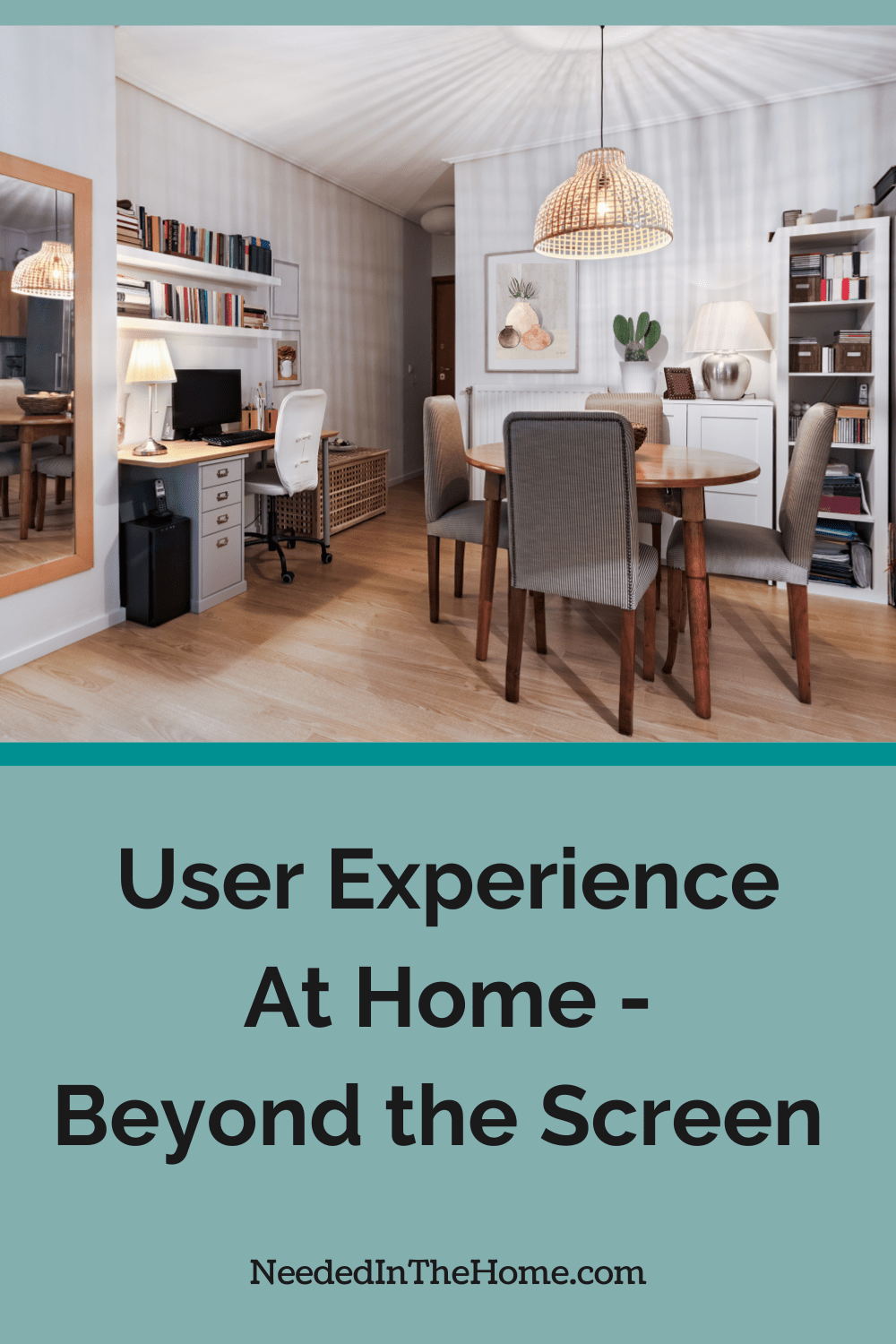
We spend a lot of time thinking about how easy our phones and computers are to use. We want apps to be simple and websites easy to get around. But what about the world beyond our screens, like our own homes? The same ideas that make an app feel good can also make our physical spaces more comfy, useful, and enjoyable. It’s all about designing human experiences that truly understand what we need and how we act, not just online, but in the rooms we live and work in every day.
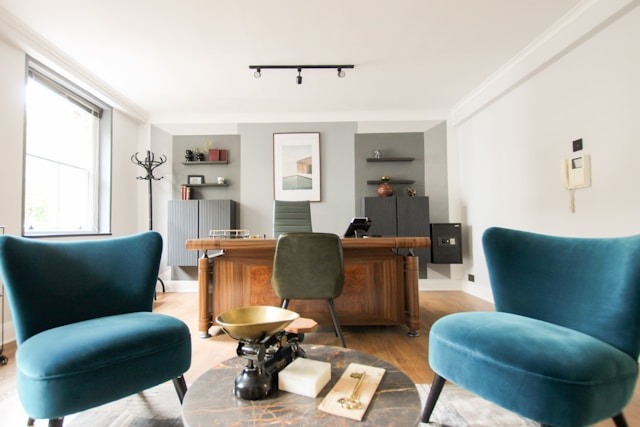
Image Credit: Unsplash
The Psychology of Space
How a room is set up really changes our mood and what we do in it. Think about walking from your front door to the couch. Is it a clear path, or do you have to squeeze past a coffee table? This “flow” is a big deal in how we experience physical spaces. A well-designed room lets you move around easily and makes tasks feel simple. You can make your space feel better by setting up clear areas for different things. A comfy chair and a lamp in a quiet corner become your special reading spot, telling your brain it’s time to chill out. This smart way of arranging things helps clear your mind and makes your home feel more natural and helpful for your daily life.
Crafting Functional Work Areas
Making rooms that have a clear purpose is essential for a good home experience. This is especially true for spots that do double duty, like a kitchen that’s also your office, or a living room that’s a play area too. The stuff you choose for these spaces really matters. A surface that’s tough to clean or gets damaged easily will just frustrate you every time you deal with it. When you’re planning a useful area, think about how tough and easy to clean your surfaces are. For busy or messy spots, the right flooring is key. If you’re looking at options like tiles gold coast, suppliers have lots of strong and stylish choices perfect for creating clear, easy-to-manage zones in a bigger room. This is a great example of applying functional work areas in our homes.
Ergonomics for Digital Comfort
Even when we’re glued to our screens, our physical surroundings play a huge part in how comfortable we are. Sitting badly can lead to back pain, tired eyes, and just feeling worn out. We often blame this on “too much screen time,” but the real problem is usually how our workspace is set up. A good experience for digital work means having a supportive chair that helps you sit up straight, a desk at the right height, and your monitor at eye level. Taking a little time to adjust your workspace is a simple but powerful way to feel better every day. It’s about making sure your body is just as well taken care of as the software you’re using.
Sensory Design and Focus
How we experience something isn’t just about what we see; it’s about all our senses. The right sights, sounds, and textures can help us focus, relax, or feel more energetic. Lighting is a powerful tool here. Bright, cool-toned light is fantastic for a study or home office because it mimics daylight and keeps you alert. On the flip side, warm, dimmable lights in the living room create a cosy, relaxing vibe. Sound matters too. The soft hum of a fan can block out annoying noises, and not having squeaky floorboards can make a home feel much more peaceful. Even the feel of things, like a soft rug under your feet or a smooth, cool kitchen counter, adds to how a space feels and works overall.
Thinking about your home like you would a user experience can totally change how you interact with your space. It moves the focus from just how a room looks to how it feels and functions, helping you create a place that truly supports your life.
This is a contributed post.
More From NeededInTheHome
Product Reviews
Get Our Books
Etsy Shop
TPT Store
eBay Store
Linktree
My Faith Testimony
Subscribe so you never miss a post.
If you find my tips useful, feel free to buy me a coffee. Thank you in advance!
Want to remember this? Pin it to your favorite Pinterest Board!
Join the newsletter
Subscribe to receive our latest articles and promotional content by email from NeededInTheHome
Leave a Reply