
There’s nothing quite like walking into a cool, comfy home after being out in the sweltering Aussie sun. That feeling of relief isn’t just about the temperature on the thermostat; it’s a mix of clever choices, good habits, and a bit of design smarts that turns a house from a hot box into a cool sanctuary. Getting that comfortable feeling is probably easier than you think, and it often starts with making the most of what you’ve already got.
Some links in this post are affiliate links, which means I receive a commission if you make a purchase.
When your home feels stuffy and warm, it really messes with your mood, your sleep, and how well you can relax. But with just a few tweaks, you can make your space feel way more pleasant during those long, hot summer months. It’s all about creating a place that feels calm and refreshing the moment you step inside.
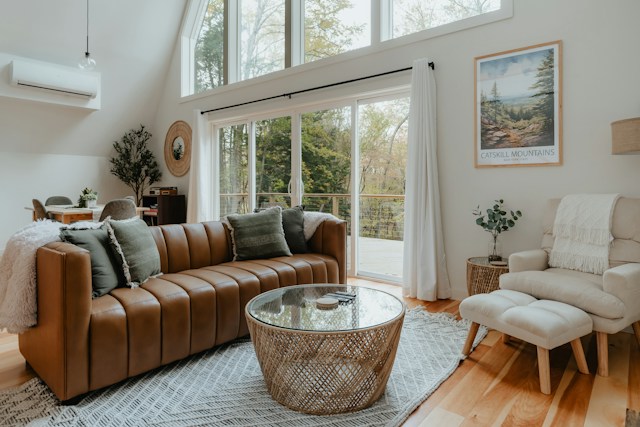
Image Credit: Unsplash
It Starts with Controlling the Sun‘s Rays
Direct sunlight is the biggest heat source for your home. So, managing how much of it gets inside is your first line of defence against the heat. During the hottest parts of the day, usually from late morning to late arvo, simply keeping your windows and doors shut can make a huge difference. It might seem a bit odd to close up the house, but you’re actually trapping the cooler morning air inside and keeping that hot afternoon air out.
Blinds and curtains are your absolute best mates here. Blockout curtains are fantastic for bedrooms or west-facing rooms that really cop the afternoon sun. Their thick lining not only blocks light but also acts as a thermal barrier. For blinds, go for light colours like white or pale grey; they’ll reflect sunlight away from the window. Darker colours, on the other hand, will just soak up the heat and radiate it into your room. If you can, think about external solutions like awnings, shade sails, or even planting some deciduous trees in just the right spots. These stop the sun from even hitting the glass, which is way more effective than any internal covering.
Getting the Air Flowing (and Cooled)
Still air always feels hotter. Getting air to move through your home is super important for comfort. You can do this by creating cross-ventilation – just open windows on opposite sides of the house to let the breeze flow through. This works best in the early morning and evening when the air outside is cooler than inside.
Ceiling fans are a big help too. Make sure they’re spinning counter-clockwise in summer; this pushes cool air down. You can also place a portable fan in front of an open window at night to help draw cool air into a room. But when it’s really humid and the temperature is soaring, fans can sometimes feel like they’re just pushing hot air around. For proper temperature control, a reliable air conditioning system is often the most effective solution. Modern systems are energy-efficient and can quickly create a comfortable, dehumidified environment that fans just can’t match.
Smart Design Choices for a Cooler Feel
The stuff your home is made of and the colours you choose really affect how hot it feels. Dark colours absorb heat, while light colours reflect it. Painting your walls in light, airy shades like white, pale grey, or soft blues can instantly make a space feel cooler. This idea also applies to your home’s exterior; a light-coloured roof will absorb far less heat than a dark one.
Flooring makes a difference too. Hard surfaces like tiles, polished concrete, or timber floorboards feel cooler underfoot and don’t hold onto heat the way thick carpets do. If you love the softness of rugs, maybe roll them up and store them for the summer months. Your choice of furniture fabric matters as well. Breathable natural fabrics like cotton or linen feel much nicer to sit on in the heat than synthetic materials like polyester or heavy velvets. There are many ways you can design a home that stays cool by simply thinking about your surfaces and textiles.
The Psychology of a Comfortable Space
Comfort isn’t just about the actual temperature; it’s also about how you perceive it. A cluttered, messy space can feel chaotic and stressful, which might even make you feel hotter. A clean, minimalist environment, on the other hand, gives you a sense of calm and coolness. Try to create visual space by decluttering surfaces and keeping things organised.
The colours you use also have a psychological effect. Cool colours like green and blue remind us of nature and water, which can make a room feel more refreshing. Adding houseplants is another great way to make a space feel cooler and more alive. They don’t just add a touch of green, but they also improve air quality through a process called transpiration, which releases moisture into the air. Understanding what makes a home feel good means tapping into these sensory cues that create a feeling of joy and ease.
Everyday Habits That Make a Difference
Small changes to your daily routine can really add up to a much cooler home. Appliances generate a surprising amount of heat, so try to use them less during the day. Fire up the barbecue instead of the oven to keep cooking heat out of the kitchen. If you’re looking for more ways to keep your home cool without driving up your energy bills, there are plenty of simple strategies worth trying. Run the dishwasher and washing machine in the evening when it’s cooler. Incandescent light bulbs produce a lot of waste heat; switching to LED bulbs will cut your energy bill and the heat they add to a room. And always use the exhaust fan in the bathroom when you shower and in the kitchen when you cook to pull hot, moist air directly outside.
Creating a home that feels comfortable in the heat is a whole process. It’s about blocking the sun, getting the air moving, making smart design choices, and adopting cooler habits. Combining these strategies helps you create a welcoming retreat from the summer heat.
This is a contributed post.
More From NeededInTheHome
Product Reviews
Get Our Books
Etsy Shop
TPT Store
eBay Store
Linktree
My Faith Testimony
Subscribe so you never miss a post.
If you find my tips useful, feel free to buy me a coffee. Thank you in advance!
Want to remember this? Pin it to your favorite Pinterest Board!
Join the newsletter
Subscribe to receive our latest articles and promotional content by email from NeededInTheHome
Leave a Reply