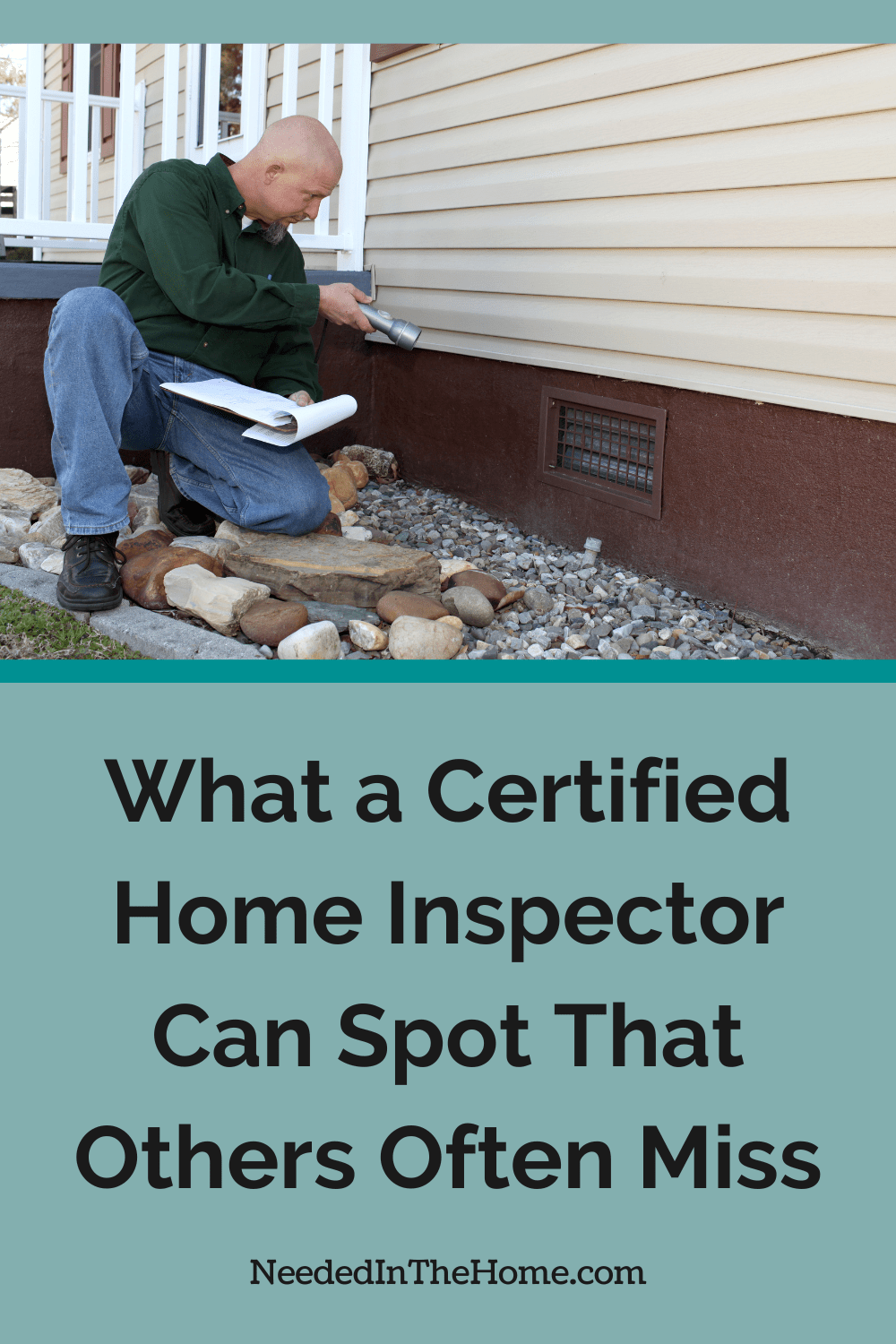
Every inspector will walk your house and hand you a report. What varies enormously is what happens in between, and the difference doesn’t show up until months later when something surfaces that a thorough inspection would have flagged. By then the distinction between a two-hour walkthrough and a real inspection has become expensive.
Some links in this post are affiliate links, which means I receive a commission if you make a purchase.
Licensing and certification aren’t guarantees of quality, and plenty of licensed inspectors do mediocre work. What they establish is a floor: tested knowledge, defined standards of practice, and accountability that exists somewhere other than online reviews. The Consumer Financial Protection Bureau puts it directly, advising buyers to choose an inspector with a reputation for being honest and thorough who will give a complete and honest assessment of the physical condition of the home. Buyers across the Southeastern U.S. encounter wide variations in both.
What Licensing and Certification Actually Require
Requirements vary by state, and some states don’t regulate home inspection at all.
- Approved training hours: completing state-required coursework before licensing is granted
- A passing examination: demonstrating competency through a formal test
- Liability insurance: required in most licensed states as a condition of practicing
- Continuing education: ongoing coursework needed to maintain active licensing status
- Adherence to a published standard of practice: certification through a recognized professional body defines exactly what must be examined and reported
That document is the reason two certified inspectors produce broadly comparable scope, and its absence is why an unregulated inspection can mean almost anything.
What Qualified Home Inspectors Must Meet
A meaningful share of the difference is whether things get turned on. An inspector who confirms an HVAC unit exists has done less than one who runs it in both heating and cooling modes and measures the temperature differential across the coil.
The same distinction applies throughout the house. Standards of practice generally require operating a representative number of outlets, windows, and doors rather than noting their presence. A furnace that runs might still be cycling improperly, and an outlet that has power might not be grounded. Finding that requires testing rather than looking.
The Limits of Scope Get Stated Rather Than Blurred
Home inspection is visual and non-invasive by definition. Nobody opens walls, and no inspector can certify that a house has no hidden problems.
- Visual and non-invasive by definition: inspectors examine what’s accessible without opening walls or removing fixtures
- Referrals as a sign of competence: recommending a structural engineer, licensed electrician, or sewer scope when something falls outside scope reflects honesty, not limitation
- Stated boundaries over blurred ones: a trustworthy inspector is clear about what wasn’t examined, rather than implying full coverage
- Specialist follow-up matters: making these referral calls, rather than speculating outside their expertise, is part of how firms such as LunsPro Inspection Group approach findings that warrant further evaluation
Anyone hiring a licensed and certified home inspector should pay attention to whether referrals like that appear in the report. Making those calls rather than speculating outside their expertise is part of how firms such as LunsPro Inspection Group approach findings that warrant specialist evaluation.
The Importance of Attic and Crawlspace Inspections
Attics and crawlspaces contain a disproportionate share of what matters and are unpleasant to access, which creates a predictable temptation to inspect them from the opening rather than from inside.
The findings are correspondingly different. From an attic hatch, you see insulation depth near the entry. From inside you find disconnected bathroom fans venting into the space, roof sheathing stained from a leak, and rodent activity in the far corners. Standards of practice typically require entering these areas where safely accessible, and the qualifier does real work, since genuinely unsafe access is a legitimate limitation that should be stated rather than quietly skipped.
Findings Are Documented in Ways You Can Use
A report’s usefulness depends on what it contains beyond a list of observations. The reports actually help share a few characteristics:
- Photographs tied to specific findings: so you can see the problem rather than picture it from a description
- Severity distinctions: separating safety hazards from major defects from routine maintenance
- Location specificity: noting where in the house something was observed rather than describing it generally
- Clear scope limitations: stating plainly what wasn’t accessible and why
The last item is more important than it sounds, since a report that quietly omits inaccessible areas leaves you assuming they were fine. One that names them tells you where to follow up.
Patterns Get Recognized Because of Regional Experience
Certain problems cluster geographically. Southeastern homes present crawlspace moisture, humidity-driven fungal growth, termite pressure, and specific foundation behaviors that an inspector working here sees constantly.
That accumulated pattern recognition is what turns an observation into a finding. Slight sagging in a floor means something different in a house with a crawlspace and known moisture history than it does elsewhere, and knowing which regional conditions produce which symptoms comes from volume rather than from any credentials.
Conclusion
The single most useful thing you can do is ask for a complete sample report from an actual inspection rather than a marketing summary. Fifteen minutes reading one tells you more about how someone works than any conversation. Look for photographs attached to findings, clear severity language, honest statements about what couldn’t be accessed, and referrals where appropriate.
Then verify licensing yourself through the state rather than accepting a logo on a website, and attend the inspection so you can watch whether someone enters the crawlspace or looks into it. Credentials establish a floor. Everything above that floor is visible in how someone documents their work, and it’s available to check before you hire rather than after.
This is a contributed post.
Related
Open House Cleaning Checklist Printable
Printable Moving Labels To Organize Boxes By Rooms They Will Go In
Printable 30 Day Moving Plan, 17 pages
30 Day Moving Checklist, 2 pages
Home Moving Planner Insert Pages for House Move Binder
Printable Blank Door Hangers so movers know which room is Bedroom 3 and Bathroom 2, for example
EVERYTHING YOU NEED TO KNOW ABOUT MOVING
PREPARING YOUR HOME FOR SALE BEFORE IT GOES ON THE MARKET
QUICK HOUSE SHOWING CLEANING CHECKLIST: THINGS TO DO BEFORE AN OPEN HOUSE
PACKING TIPS FOR MOVING FROM A LARGE FAMILY HOMESCHOOLING MOM WITH EXPERIENCE
30 DAY MOVING PLAN THAT INCLUDES HELP FROM THE FAMILY
HOW TO KEEP YOUR STORAGE UNIT ITEMS SAFE
THE BEST WAY TO PACK A STORAGE UNIT
More Moving Posts to read.
Subscribe so you never miss a post.
If you find my tips useful, feel free to buy me a coffee. Thank you in advance!
Want to remember this? Pin it to your favorite Pinterest Board!
Join the newsletter
Subscribe to receive our latest articles and promotional content by email from NeededInTheHome
Leave a Reply