
There’s a popular running joke that moving sits right up there with public speaking and filing tax returns on the ultimate stress index. Almost everyone has heard a nightmare relocation story. A breakdown on the highway. Glassware smashed inside a taped-up box. Or that frantic, blurry scramble to pack living room knick-knacks at three in the morning.
But it really doesn’t have to go down like that.
Relocating feels chaotic because it forces people to stare down every single object they own all at once. But breaking the chaos into simple systems changes everything. Keeping things organized isn’t about being obsessed with perfection. It’s about preserving time, energy, and overall sanity.
Stripping out the friction makes moving home feel less like a crisis and more like a fresh start.
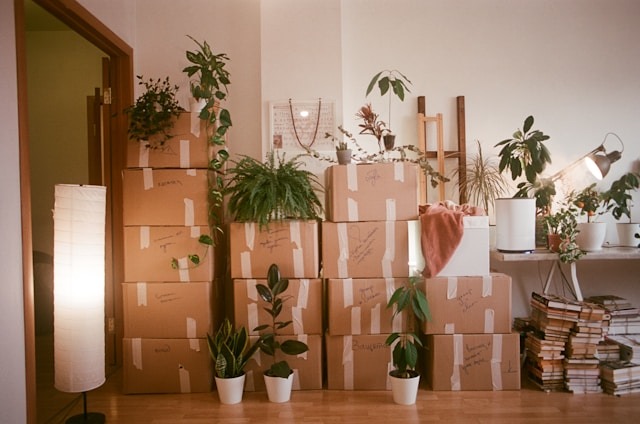
Source: Unsplash (CC0)
Declutter long before touching a roll of tape
The single biggest mistake people make is packing things they don’t actually want or need. Packing up old junk takes extra time. Buying boxes for clutter costs extra cash. Shoving forgotten items into a new closet wastes precious space. You’re just making it harder for yourself if you don’t get rid of stuff beforehand.
Four weeks out, go room by room with heavy-duty trash bags. Be totally ruthless with your belongings. If a coat hasn’t been worn in two full years, it shouldn’t land in the new closet. If a random kitchen gadget has spent months gathering dust, let someone else claim it. Every single item tossed or donated now is one less item to carry, haul, and unpack later.
Create a central paper moving binder for the big day
Information gets scattered about fast during a major shift. Lease agreements disappear under piles of bubble wrap. Utility shut-off dates get forgotten. Contact details vanish right when they’re needed most.
Skip the messy sticky notes and build a single moving binder and keep it with you. Store all crucial details in one spot, including moving quotes, receipts, confirmation numbers, inventory lists, and address checklists. Having key details ready in two quick taps completely kills that mid afternoon wave of panic.
Master the art of smart labeling
Writing a generic room name on the side of a brown box is better than nothing, but it won’t help much when night falls and someone desperately needs a pair of clean socks.
Upgrading your personal labeling system works wonders. Always write details on the side of a box instead of the top, because top labels become totally invisible once boxes start stacking up against a wall. Add a quick priority list under the room name, like listing coffee mugs right next to the kitchen label.
Using colored tape for different rooms keeps things moving fast too. Assigning blue tape to the primary bedroom and green tape to the kitchen lets whoever is carrying boxes match colors to paper signs taped over doors. That means zero guessing and zero heavy boxes dropped in the wrong spot.
Book reliable help early
Trying to tackle every heavy lifting job alone is a guaranteed path to complete burnout.
If hiring outside help makes sense for you, then try to lock things in early. Reaching out to a solid local moving company several weeks in advance secures a prime calendar slot and avoids frantic, last-minute decisions. Pros know how to maneuver bulky couches around tight corners, protect hardwood floors, and pack a truck tightly without damaging anything inside.
Those taking the DIY route with friends should still set clear schedules, rent proper moving equipment, and finish packing every single box before anyone arrives to help.
Pack an open-first survival kit
Picture yourself at eight o’clock on moving night. The truck is totally empty, the helpers are gone, and a maze of cardboard fills the living room. Everyone is exhausted, covered in dust, and hunting for a toothbrush. This is where an open-first survival kit saves the day.
Pack a dedicated duffel bag or clear storage tote containing basic essentials for the first two days. Fill it with a couple changes of clothes, basic toiletries, bath towels, phone chargers, toilet paper, prescription meds, a box cutter, and some pet food. Keeping crucial items right within arm’s reach means no one has to rip open six random boxes just to find a clean towel before bed.
Moving your household will always require plenty of effort, but it never needs to turn into a full-blown meltdown. Decluttering early, organizing details digitally, booking help ahead of time, and prepping a day-one survival bag turns what could be a wild week into a smooth, easy transition.
This is a contributed post.
Related
Open House Cleaning Checklist Printable
Printable Moving Labels To Organize Boxes By Rooms They Will Go In
Printable 30 Day Moving Plan, 17 pages
30 Day Moving Checklist, 2 pages
Home Moving Planner Insert Pages for House Move Binder
Printable Blank Door Hangers so movers know which room is Bedroom 3 and Bathroom 2, for example
EVERYTHING YOU NEED TO KNOW ABOUT MOVING
PREPARING YOUR HOME FOR SALE BEFORE IT GOES ON THE MARKET
QUICK HOUSE SHOWING CLEANING CHECKLIST: THINGS TO DO BEFORE AN OPEN HOUSE
PACKING TIPS FOR MOVING FROM A LARGE FAMILY HOMESCHOOLING MOM WITH EXPERIENCE
30 DAY MOVING PLAN THAT INCLUDES HELP FROM THE FAMILY
HOW TO KEEP YOUR STORAGE UNIT ITEMS SAFE
THE BEST WAY TO PACK A STORAGE UNIT
More Moving Posts to read.
Free Open House Cleaning Checklist
Tell me where to send your free cleaning checklist.
Subscribe so you never miss a post.
If you find my tips useful, feel free to buy me a coffee. Thank you in advance!
Want to remember this? Pin it to your favorite Pinterest Board!

Join the newsletter
Subscribe to receive our latest articles and promotional content by email from NeededInTheHome
Leave a Reply